The communication of the Czechs is more restrained and delicate, rarely showing emotions
· Petya Karagyozova
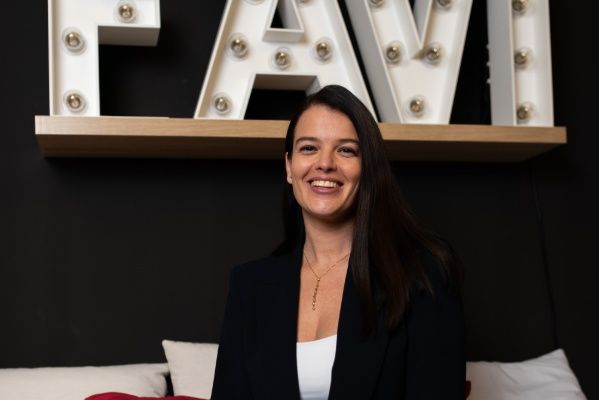
The most interesting thing is that I arrived in the Czech Republic exactly in the week when they closed the borders due to COVID. It was downright surreal: a new country, a new beginning - and a global pandemic. All at once!
Introduce yourself in a few sentences. What does your work express as daily commitments?
My name is Petya Karagyozova and I currently work as a Business Development Manager for FAVI - an online platform for furniture and interior design that connects merchants with consumers in various markets. FAVI is a leader in its field and is present in 12 countries in Europe. My main focus is the development of the Bulgarian market - from the start of the project, through expanding the partner network to analyzing effectiveness and seeking new growth opportunities. In addition, I support the development of other international markets by participating in building sustainable partnerships and strategic planning for FAVI's long-term positioning in the region.
In which country and city do you currently live and how did you end up there?
I have been living in the Czech Republic for five years now. I came out of love - literally. I first fell in love with Prague during my first visit - there is something magnetic about this city! Fate had also prepared a meeting for me that subsequently changed my life entirely - personally and professionally. Although I had a nice and dynamic job in Bulgaria - I was part of the team at bTV Media Group and worked on interesting projects - it was time for a change. The most interesting thing is that I arrived exactly in the week when they closed the borders due to COVID. It was downright surreal: a new country, a new beginning - and a global pandemic. All at once.
What were the biggest challenges you faced at the beginning of your stay?
The first few months were really a challenge - a new environment, restrictions due to COVID, starting work remotely. Social isolation and uncertainty combined with an unfamiliar culture and language were sometimes heavy, but at the same time, everything was new and interesting and felt like an adventure.
How did you overcome the language barrier (if there was one)?
There was - and there still is to some extent. I am still learning Czech, but in everyday life, I mainly manage with English. Even before I moved permanently to Prague, I took a course at the Czech Cultural Center in Sofia, after which I continued with various apps, online courses, meetings, and mentors. Czech is still a Slavic language, it is not that far from Bulgarian, but sometimes there are quite a few “false friends” and funny words and expressions for the Bulgarian ear. For someone coming from the television sector, I found it very funny, for example, how “Dear viewers” is in Czech - “Vážení diváci” (Vazheni divatsi).
What resources or networks (local communities, colleagues, organizations) helped you adapt?
The most help came from work - colleagues from all over the world who have already walked this path, and an international atmosphere where you don’t feel “out of the game.” Gradually, I discovered local Bulgarian communities, online groups, events, and meetings that gave me a sense of belonging. The Bulgarian Cultural Institute in Prague is also very active - as an example of a very nice event, I can mention the Bulgarian Film Festival in Prague, which has been held annually for 17 years.
What are the main differences between the work culture in your current country and that in Bulgaria?
One of the most noticeable differences between the work culture in the Czech Republic and that in Bulgaria is related to emotionality and the way of expression. Czechs approach more moderately and pragmatically, rarely showing strong emotions in a work environment, and their communication is more restrained and delicate. This can sometimes be perceived as distance, especially if you come from a more expressive culture like the Bulgarian one. But over time, you learn to read the nuances.
What values and practices in the workplace impressed you the most?
I was most impressed by the high level of business ethics and respect for personal autonomy. Trust, lack of micromanagement, and freedom in task execution - these are practices that I truly appreciate and that help me work motivated and confidently. Of course, it is also possible that I have been lucky so far because I know that toxic management exists everywhere, regardless of the country.
Have there been situations where cultural differences have troubled you?
Yes, there have been situations where cultural differences have troubled me - although not drastically, rather in small everyday things. I miss the smiles on the streets, the spontaneity, and that light, friendly communication even with strangers the most. I am a naturally smiling person, and when I don’t get a smile back - even in elementary social interaction - it feels almost like rudeness to me. And the truth is that Czechs are just more restrained and reserved at first - it’s not personal. But I still haven’t fully gotten used to it because I miss that warmth that in Bulgaria often comes without a reason.
How does finding a job differ in your current country compared to your homeland?
The job search process in the Czech Republic does not differ drastically from that in Bulgaria - there are several main career sites, including those specifically aimed at expats. LinkedIn is also a very active channel, as well as recommendations and contacts from personal and professional networks. The difference that I personally felt is in the slightly more structured and formal approach - companies pay more attention to preliminary preparation, there is clarity in expectations, and often the processes are longer but also more transparent. Overall, professionalism is felt from both sides - both from candidates and from employers.
Did you have to go through any additional qualification courses?
No, but I definitely had to catch up with certain skills on the go - especially related to the local market and communication with different cultures. And skill development in general is mandatory everywhere - especially in the dynamic era of artificial intelligence that we are already living in.
Have you encountered prejudices or obstacles due to your foreign origin?
As everywhere, I have encountered all kinds of people here - from those who are open, tolerant, and genuinely curious about foreigners, to cases of more overt or hidden xenophobia. Czechs as a society are more closed compared to other European countries - there are not such large waves of emigration or immigration here, and in small towns, people often live in one place their whole lives and are more distrustful of the “different.” At the same time, however, Prague is an extremely international city, with a dynamic community of expats, which creates a completely different atmosphere - here I feel accepted and part of a colorful environment. The most satisfying thing is to change a local's opinion about Bulgaria - in this direction, I feel obliged to be an ambassador of the “good reputation” of our country - for the people, for the culture, for the nature, for everything beautiful that exists there.
What would you advise people who want to take a similar step?
I would advise them not to be afraid and to act boldly. Change always brings uncertainty, but also enormous potential for personal and professional growth. Good preparation is key - not only in logistical terms but also in setting expectations. Even if they decide to return later, they will return different - with a broader horizon, with new skills, and with an enriched perspective on life and the world. And of course, better adaptability, which is key to everything.
If you could go back, would you choose the same path?
Definitely. It wasn’t easy, but this is my path and I am happy to walk it.
What do you miss most from your homeland in professional and personal terms?
In personal terms - family, friends, the language. In professional terms - sometimes I miss the impulsiveness, the creativity in chaos, the warmth of people, and the temperament.
Have you considered returning and under what conditions would you do so?
Returning is always on the radar - it’s not a topic I have crossed out. Bulgaria remains home in many respects. But at the moment, the political and economic instability - both globally and in Bulgaria - makes me more cautious. This is a decision that will come with time, at the right moment and context. For now, I focus on the present and the opportunities that life here gives me.
At the same time, I try to stay connected to Bulgaria - both professionally, maintaining contacts and working on topics related to the Bulgarian market, and on a personal level, with commitments, causes, and close people. Gradually, I am building a bridge between the two countries that allows me to feel connected to both places.
What do you think about money? What is its influence on your life? What is your advice to people who often ask themselves questions related to money and how sufficient they are?
Money is important - but only as long as it covers your freedom and peace of mind. After that, true values begin to weigh more - time, health, relationships with the people around you. My advice is: define what is important to you, what you want to do, and then decide what resources you need for it - this way you will have clarity on which direction to move in, to use money as a means, not as an end.