There is not a single correct path for career development
· Gergana Stoichkova
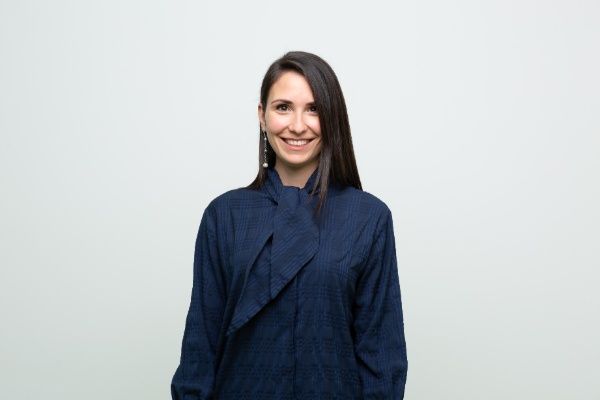
A successful career is one that enriches us, challenges us, and connects us with inspiring people!
Introduce yourself in a few words..
I am Gergana and
I help startups understand what investors expect from them and how to successfully
prepare for funding from venture capital funds (VC). I spent 5 years at one of the leading
funds in the region – Eleven, where
I met some of the most inspiring entrepreneurs in Southeast Europe. Before
that, I was part of the team at Paynetics, where one of my roles was related to seeking
funding for the companies in the group. Other roles I have held over the years include
Director of the Bulgarian Fintech Association, Program Manager of Visa
Innovation Program, co-founder of 180
Degrees Consulting Sofia, as well as
numerous mentoring positions in various programs (Teenovator, Founders
Institute, Dea etc.)
How would you
describe your career in a few words?
Diverse! For so
many years, during which I have been professionally active, I have worn so many
“hats”, delved deeply into so many different sectors (finance,
investments, healthcare, education, consulting, fintech, blockchain…), that sometimes I feel, like I have worked much longer.
What was the most important choice that shaped your path?
The decision to
return to Bulgaria after completing my bachelor's and master's degrees abroad. I had to
change direction based on my realistic opportunities for career development here. I graduated
in finance from Bocconi, most of my colleagues went to London, where they became
investment bankers. However, that was not my path.
What would you
like to have known at the beginning of your career that no one told you?
There is not a
single correct path.
How can a person understand which profession is suitable for
them?
Based on what
kind of life they want to lead and what their personal definition of success is. For example, if
you are an extrovert, you thrive on interacting with others and love personal
contact, then isolated professions that are 100% remote and only on
a computer may not be the ideal choice. And if your main priority is to be
free to travel whenever, wherever, and as much as you decide and to work from anywhere
in the world – professions that require you to be always on-site may hinder you. For me, it is a mistake to choose
a profession solely based on the understanding of how “prestigious” it is.
It is much more important whether this is something that will make you happy – long-term,
and will fit into your vision of a good life, not only professionally but also
personally.
Which skills do you think will be key in the next 10
years?
Soft skills,
critical thinking, communication. My opinion is that with the rise of AI in more and more aspects of our lives, personal contact and authenticity in people will be valued more and more.
How to build a network of useful contacts without
appearing interested?
When we do not
start the conversation at a moment when we already need it, but strive
to connect with the person in front of us, regardless of their position. When we strive
to get to know the person in front of us, to understand what excites them, and to reveal
part of ourselves. An example from my experience – the most successful contacts with
investors are built when you do not yet need an investment. Then you are
able to have a non-binding and genuine conversation.
What is the biggest mistake you have made in
your career, and what did you learn from it?
To expect
recognition.
How to recognize a toxic work environment and when is it time
to leave?
The signs can
be many and varied, depending on the size, type, even geography of
the company. A few examples are: employee opinions are not taken into account;
it is taken for granted that 100% dedication to the company and overworking is expected; successes are not
acknowledged, while mistakes are strictly punished; feedback is neither given nor received, and many others. It is time to leave when this environment and company
stop contributing to our personal professional goals and development.
What would you do differently if you could start
over?
I don’t think I would
change anything. I have learned an infinite amount from every single step along the way, from
every person I have worked with, from the good and the bad moments. And I am
thankful for all my experience so far.
How to maintain our motivation in times of stagnation?
Something that I
practice: I imagine where I want to be in 3 years, what my life will look like,
what I will be doing. Then I envision the smaller
steps needed to get there. And I get to work. There are productivity
gurus who have outlined entire
systems for goal setting, but I have never been able to stick strictly to
any of them. For me, it is important to have a concept in my head and to be able to break down the 3
year plan into smaller steps.
How to achieve a balance between professional and personal
life?
This is a question that
I am also excited about. Since I have a child, with whom I often have to work from
home, the boundaries have blurred and it happens that I “bring” work home or for
the weekend. Still, I impose full-time breaks at times. I turn off my
work notifications after 6 PM and on weekends, and I try not to check
my phone while we are out. I do the same while training to have at least
30-40 minutes of peace.
When is it time to change our career, not just
our job?
When we realize
that the path we can develop in this field does not align with our
vision of a successful and happy life. For me, everything stems from the following: how
we want to live? With a lot of travel or none at all? With a fixed schedule or
a flexible regime? With many live events or zero communication with other people?
Prioritizing status or free time, etc.
If you had to give just one piece of advice to people who
are seeking success, what would it be?
To define
what success means to them. For some, success is raising their children, for others – climbing
the corporate ladder to a leadership team, for others – enjoying full freedom in terms of where and when to work, and for others –
to earn a lot of money, regardless of the type of work. You cannot seek
success, if you are not clear
about what your personal definition is.
What is your definition of a “successful career”?
A successful career
for me is not related to position, salary, or any other measure of status. For me,
a successful career allows me to be free, to enjoy life outside of work, and
to spend quality time with my loved ones. And one that
enriches me, challenges me, and connects me with inspiring people. And how would I
define myself as successful in such a career? When the people I work with
leave with good impressions, recommend me, and wish to work together on
other projects. And when I have not disappointed anyone I have worked with.