The personal brand is not a 'perfect image', but a consciously maintained appearance
· Emmanuel Tonev
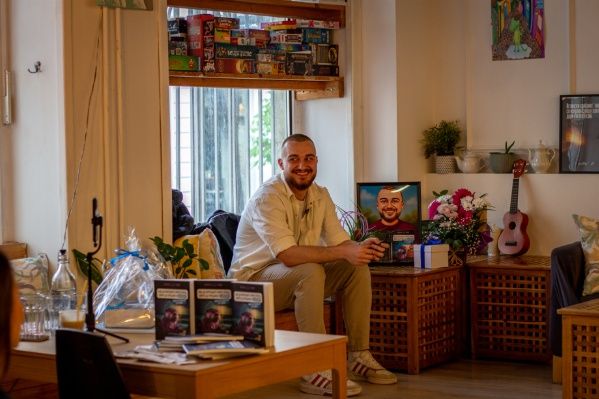
Engage in dialogue. The personal brand is not a monologue, but rather the opposite. Respond, listen, ask. Sustainable presence begins with a human connection!
Introduce
yourself in a few words..
Emmanuel Tonev is a
LinkedIn expert at BookMark with over 6 years of experience in digital marketing. He is a
certified LinkedIn marketing specialist focused on B2B and B2C
communications. He is the author of the first book in Bulgaria on LinkedIn marketing and
organizer of The Linked Academy - an initiative dedicated to training and
events related to professional development on LinkedIn. He is professionally
engaged in developing personal profiles and corporate pages on LinkedIn.
He successfully builds a career as a freelancer and consultant, helping
professionals and businesses.
How would you
define the personal brand and why is it so important today?
The personal brand is
what leaves a mark when you leave the room - a feeling, a reputation,
trust. It is the way people recognize you before you have even
introduced yourself. Today, in a world saturated with information and images, the personal brand is
a guide for both others and yourself.
How did you
start building your personal brand? What motivates you?
I didn't start with
the thought 'now I will create a brand', but rather with a desire to share valuable
thoughts and stories. The first texts I published were driven by the need to
understand myself and the world better. I am motivated by the silence after an honest text -
the moment when someone writes to you: 'this is exactly what I needed to read'.
What are
the most important elements of a successful personal brand?
Consistency.
Authenticity. Value. The ability to communicate clearly who you are, what you believe, and
what you can offer. The personal brand is not a 'perfect image', but a consciously
maintained appearance that matches your true essence.
How can we
find our niche and unique value?
Through practice,
searching, and honesty. Ask yourself: 'What do I do easily that helps others?'
or 'What do people most often seek my opinion on?'. Somewhere there is your niche.
Uniqueness comes when you combine what you know with how you
experience it. There is no other story exactly like yours.
Should the
personal brand be built around personality or expertise?
Many people
hesitate between showing themselves or just demonstrating
their knowledge. The truth is that a strong personal brand unites both. Your expertise
gives weight, but your personality creates connection. People do not engage with
your textbook skills, but with the way you speak, think, and feel. In the era
of artificial intelligence and automated advice, the human element remains the most valuable –
so do not hide behind professionalism, but use it as a foundation on which
to show yourself.
What first
steps would you recommend to someone who is just starting?
The first and
most important step is self-reflection. You need to understand not only what you can do, but also
what you want to express. Don't wait for everything to be 'ready', because it will never
be. Choose a platform where you feel most natural, and publish
something that you yourself would like to read or hear. And third - engage in dialogue.
The personal brand is not a monologue, but rather the opposite. Respond, listen, ask. Sustainable
presence begins with a human connection.
What
platforms are most suitable for developing a personal brand today?
It depends on
the format and your audience. LinkedIn is an excellent place for professional
positioning. Instagram for visual storytelling. TikTok and YouTube - for video and
a wider reach. A blog or newsletter provides depth. You don't need to be
everywhere. It's much better to be in one place, but with presence.
What role
does authenticity play in the personal brand and how can we maintain it?
Authenticity
is the backbone. Without it, the brand becomes a role, not a reality. Being authentic does
not mean sharing everything, but not distorting your essence. It is maintained with
honesty, with pauses when you are tired, and with the courage to show imperfections.
How to
create content that engages and builds trust?
Truly
engaging content is what makes people stop, think, and
save. To create such content, you need to step into the shoes of
the person on the other side. What excites them? What do they need? Trust is built
through consistency, vulnerability, and usefulness. Show the process, not just
the result. Share a failure, not just a success. And most importantly - do not write to
impress. Write to help. This is the language of trust.
What are
the most common mistakes people make when building a personal brand?
They try to
imitate others. They chase quantity instead of value. And most importantly - they forget why they
started. The personal brand is a marathon, not a sprint. There is no need to impress
everyone. It is enough to speak honestly to the right people.
How to deal
with negative comments and criticism?
First,
check if the criticism has merit. If so - learn. If not - move on. Not
everything deserves a response. Many people criticize because they themselves do not
dare to show themselves. Do not waste time explaining to an audience that
does not know you.
How to
avoid burnout when investing a lot of effort in your personal brand?
Burnout often
comes when the personal brand becomes an obligation, not an expression of
inspiration. One way to avoid it is to return to the 'why' - why did we start in the first place. A healthy pace is also
crucial. You don't need to publish every day. Better to publish quality
once a week than to force it every day. Create a system, but leave room
for spontaneity. Take digital breaks. The brand will wait, but your health
won't.
How can a
strong personal brand lead to more opportunities (jobs, partnerships,
clients)?
A good personal
brand is a magnet. It makes it so that the right people find you faster.
This reduces the need to 'prove yourself', because people already recognize you and
trust you. The most valuable offers often come unexpectedly, precisely because
someone has 'seen' your online presence.
What are
the best ways to monetize a personal brand?
Monetization
is not taboo. On the contrary, when people trust you and you have created value, it is completely
natural for part of that value to be paid. The best ways include
digital products (such as courses, e-books, templates), consultations,
webinars, coaching, partnerships with brands, and sometimes even physical products.
The important thing is that the offer is a logical continuation of your content - not
forced, but organic. Money follows value.
When is
the right time to start offering paid services or products?
When you have
built an audience that believes you can help them. When you have heard
enough 'can you help me with this?'. That is the signal. Don't wait for the
'perfect moment', but don't rush before trust.
How to
maintain sustainability and long-term growth of the personal brand?
Sustainability
is not a matter of motivation, but of system. Create a rhythm that you can
maintain - weekly themes, a content calendar, time for rest. Track what
works and what doesn't, but don't fixate only on 'likes'. Publish
content that is worth saving, not just scrolling. And most importantly,
be open to change. What you say today will evolve tomorrow. Allow
yourself to grow both in content and in the way you present it.
What habits
and discipline are needed to build authority?
Regular
sharing. Reading and learning. The ability to finish what you start.
Authority does not come from a loud voice, but from deep understanding and practical benefit.
Be helpful, be clear, and be there not just when it's convenient.
Which personalities
with a successful personal brand inspire you and why?
Honestly, I
can't name specific names, and I don't want to, because I will probably forget
someone. I like personalities that combine depth with accessibility. They inspire
me not so much with brilliance, but with meaning. If any reader still wants to
know specific personalities, they can always write to me.
What three
specific things can people do today to improve their personal
brand?
- To clarify what they want to be
remembered for in one sentence.
- To publish something meaningful, be it
an article, thought, or video.
- To connect with someone they
respect, with a sincere question or gratitude. Small actions in
the right direction have a big impact over time.