In the Era of Artificial Intelligence: Which Skills Will Make Us More Valuable and Higher Paid?
· Career Daily News
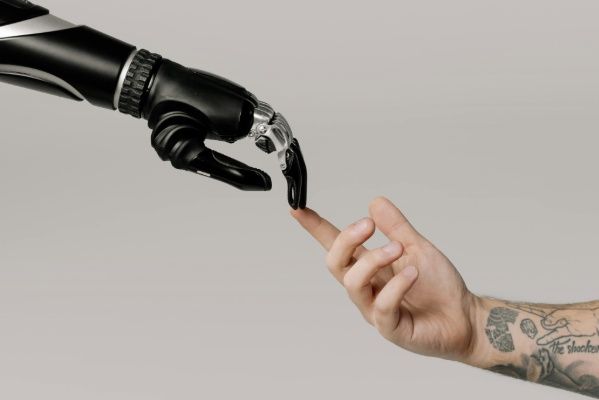
The future of work will not belong only to the technically literate or the most intelligent, but to those who can adapt, work with technology, and with people!
In the context of rapidly evolving technologies and the entry of artificial intelligence (AI) into almost every field of work, the logical question arises: What skills will be the most valuable and highest paid in the future?
A recently conducted another one of our surveys offers an interesting insight into the perceptions of professionals today. The question was clear: "In the times of artificial intelligence, which of our skills will be higher paid?" The results were distributed as follows:
- Skills we do with our hands: 21%
- Skills we do with our heads: 10%
- Combination between the two: 35%
- The ability to communicate is important: 35%
What can we say by analyzing the results obtained:
1. Skills related to manual labor (21%)
It is interesting that over one-fifth of the participants believe that “manual” skills will remain well paid. This can be interpreted as recognition of professions that are difficult to automate — such as craftsmanship, medical practice, repair activities, and other types of practical expert skills where the human touch is irreplaceable.
2. Intellectual skills (10%)
Only 10% chose the skills that are “done with the head” — probably because artificial intelligence is entering the field of analysis, writing, programming, and even creative industries the fastest. This shows an awareness that intellectual labor is no longer so protected from automation.
3. The combination of manual and intellectual labor (35%)
Here we see serious support — equal to the most popular answer. Clearly, more and more people realize that adaptability and the ability to combine different types of skills will be a competitive advantage. Examples of such professions include engineers, medical specialists, designers, craftsmen with technological knowledge, and other hybrid roles.
4. The ability to communicate (35%)
On equal footing with “combined skills,” communication stands out as a key factor. In a world where technologies process information faster than people, human interaction, emotional intelligence, and the ability to influence, negotiate, and collaborate gain even greater value. This confirms the thesis that soft skills will be the “hard currency” of the future.
What conclusions can we draw?
- Universal skills win: Participants rate the ability to combine different types of skills – physical, intellectual, and social – the highest. This confirms the need for so-called T-shaped professionals – people with deep expertise in one area and a wide range of additional skills.
- Communication is irreplaceable: Despite technological advances, people still consider human contact the most valuable. This means that professions such as managers, consultants, psychologists, teachers, and leaders will retain high value in the market.
- Artificial intelligence is not a threat, but a tool: The survey shows that people are not as afraid of AI as they are looking for ways to adapt to it – by combining skills and developing irreplaceable human qualities.
What conclusion can we make?
The future of work will not belong only to the technically literate or the most intelligent, but to those who can adapt, work with technology, and with people. The ability to think critically, communicate effectively, and act flexibly will be the currency of professional value in the world after artificial intelligence.