The Office Scene in the Theater of Pretenses
· Career Daily News
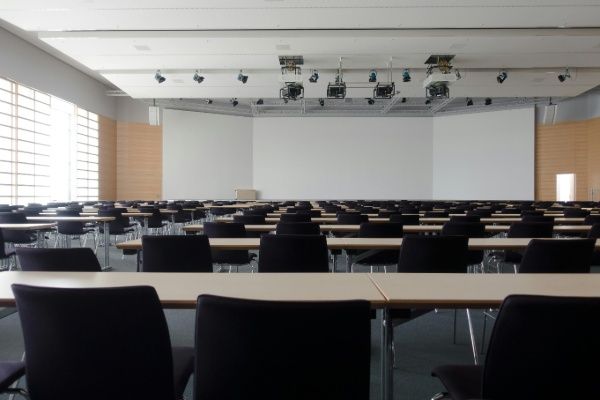
The office will always bear the marks of a theatrical stage – rituals, roles, hidden conflicts!
In the modern work environment, there is often talk of teamwork,
corporate culture, and shared values. But behind the apparent harmony and
polite smiles in the office corridors, a completely different
dynamic often hides. The workplace becomes a stage where everyone plays a role – a role
of a friendly colleague, a loyal employee, an always smiling
professional. And behind the scenes, the real dramas unfold: intrigues,
conflicts, envy, and struggles for influence.
Smiles as a Social Mask
Daily greetings and polite remarks create an illusion of
harmony. However, the smile is often a mask – a form of social protection and adaptation.
It does not always mean sincerity, and sometimes serves as a tool for concealing
stress or for building a strategic image in the eyes of
management and colleagues.
Intrigues Behind the Scenes
The collective is rarely a homogeneous community. Unspoken conflicts,
competition for recognition, or fear of losing position create hidden
tensions. The intrigue in the office often arises as a result of this invisible
struggle – rumors, manipulations, or selective “translation” of information. Thus,
the work environment begins to resemble a theatrical plot, where the true motives
are revealed only when the curtain falls.
The Psychological Cost
Double behavior has a high cost. It undermines trust
among colleagues, leads to stress and internal insecurity. People who constantly
play roles risk losing their authenticity, and the team risks losing
its ability for genuine collaboration. When the informal “theater”
begins to overshadow the official organization of labor, productivity and
satisfaction inevitably decrease.
The Exit from the Stage
The question is: can the office be more than a stage?
The solution lies in building a culture of transparency and trust. This
means:
- leaders
should encourage open communication and respond appropriately to
manifestations of intrigue;
- colleagues
should develop assertiveness skills – expressing opinions without aggression, but also
without pretense;
- the organization
should create conditions in which people feel safe to be
authentic.
Conclusion
The office will always bear the marks of a theatrical stage – rituals,
roles, hidden conflicts. But whether it will be an arena of pretenses or a space for
real collaboration depends on our willingness to take off the masks. The true strength
of the team comes not from flawless smiles, but from sincerity, mutual respect,
and the ability to resolve conflicts without turning them into intrigues.