When you exceed your expectations, opportunities start to find you
· Aneta Natova
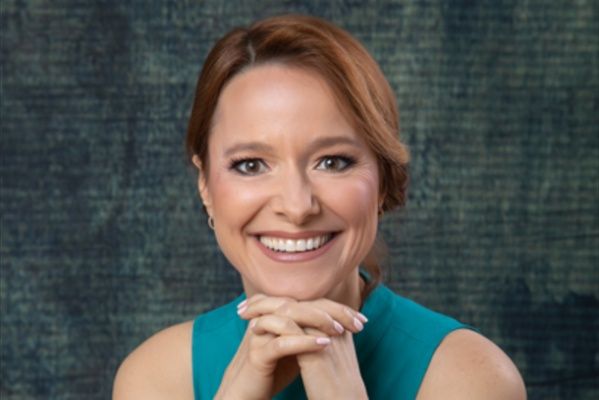
I don't look at the clock; it's important that the work is done in the best way — without compromising on quality and deadlines!
Introduce yourself in
several sentences – names, company, position in the current company.
My name is Aneta Natova, co-founder and CEO of LeadFit Global.
Tell us what the
philosophy and values of the company you currently represent are?
We believe that good
work starts with the person. We help leaders and teams achieve results
that endure over time, without losing their humanity. We work from the inside out:
first — clarity and intention, then — skills and habits in communication, and finally — discipline
in execution. We learn through experience — with our model EBWith (Experiential, Behaviour-Based,
Challenge-Driven) and
the framework Be–Become–Belong — this is how ideas turn into concrete
changes: more trust, higher engagement, faster decisions,
higher quality results. We believe that the workplace can be a place for meaning
and growth.
Values: connection and trust; courage and
responsibility; learning and growth; simplicity and high standards.
How long have you
been developing your current company? What are the most valuable lessons that the
current situation has taught you during this period?
I have been developing the current company for two years, which I co-founded in partnership. Before that, I built a corporate career for 22 years and my teams achieved high results.
Today I work with full creative freedom – I choose the partners and clients with whom we create meaningful projects.
The most valuable lesson: we are not for everyone and that is okay. We are for those who want the highest quality, refuse mediocrity, and expect relevant, practical solutions with measurable impact.
Our promise: a human approach, high standards, and real results.
If you personally had to
write a job advertisement, how would you attract the attention of a future employee?
We are a place where you will grow not only professionally but also personally. If
you are ready to learn constantly — we are your people.
What does your
company do to organize a constructive and fruitful working environment for everyone?
Do people in the team need to be friends?
We are a consulting company and we teach others — that’s why we are also our own
experimental field. We do everything we teach our clients. We have a clear rhythm:
short daily sync (“daily huddle”), weekly planning, and monthly
retrospective. In the daily sync — 10–12 minutes in the morning, whether we are in
the office or not — everyone answers three questions: 1) What is my focus today? 2)
How will I measure success? 3) Do I have any obstacles? We talk specifically — with names and projects.
We keep one key thing in focus every day — this drives us towards
the big goal.
It is not necessary for everyone to be friends; it is important to have respect, trust, and clear
responsibilities taken. Friendship is a bonus. The foundation is psychological
safety — being able to speak the truth kindly and in a timely manner.
What makes you enjoy
going to work? How do you deal with difficult and stressful moments?
I love my job — it is also my hobby. Even if I had all the time and money in
the world, I would still do this.
In stressful moments, I pause for a moment, breathe, and return to my intention.
I turn difficulty into learning: why is it hard for me, what am I resisting,
what do I need to understand here and now, what is happening with the other person — and what is the next
necessary action. Then I take the small next step.
What work model does
your company advocate – office or remote? What do you think about flexible
working hours?
Both — office and remote. We give great freedom and require high
responsibility. Freedom and responsibility go hand in hand. I don't look at the clock; it’s important
that the work is done in the best way — without compromising on quality and
deadlines. I support flexible time when the results are clear and measurable.
How do the constantly evolving
technological changes worldwide affect your business?
We actively follow them. We read, test, and when we lack expertise — we pay
consultants to learn quickly and apply what is meaningful.
How important is
hierarchy and what does it mean to you? What kind of communication do you advocate
in your company?
The hierarchy in our company is minimal — just enough to have direction and clear
responsibilities. As the CEO, I set the theme of the year and
strategic highlights. Together with the team, we align quarterly and monthly
priorities and goals. From there on, everyone has autonomy and is responsible for
what they have taken on. If someone sees a risk or a delay, the expectation is to speak up in a timely manner.
Communication is “adult–adult”: tell me what you need, what you want
to achieve, how — and how I can help. I believe in a coaching approach with
mature, competent, and motivated people — and I work entirely with such.
What is your career
advice for all people who are building a strategy for their professional development?
Give your best — always. Work with full presence.
Surprise pleasantly — yourself and others — by exceeding expectations. When
this becomes a habit, opportunities start to find you. Then you choose
where to invest your energy and attention — and true freedom comes.