For the personal brand, the strongest message is the life we live
· Lilyana Valkova
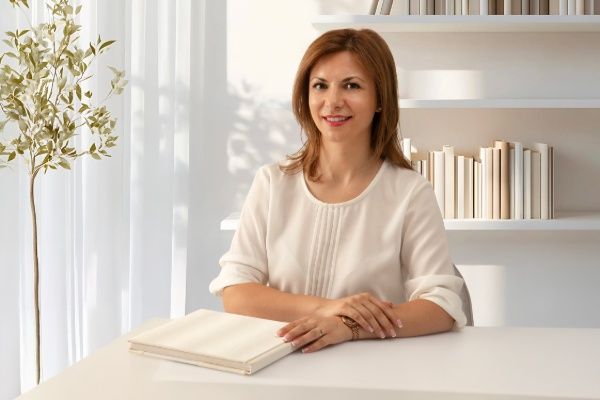
A strong personal brand does not "sell at any cost," but offers a solution that people are already looking for!
Introduce
yourself in a few words..
I am Lilyana Valkova – life coach for
women, author of the book "Break the Chains" and creator of the series "I am
Queen". For more than ten years, I have been building a personal brand based on
authenticity and service, because I believe that the strongest message is the life
we live.
How
would you define a personal brand and why is it so important today?
A personal brand is a reflection of who you
are, not what you show. It is your character, values, and lifestyle, visible to the
people around you. Today, a personal brand is important because people are not
looking for perfect masks, but for real personalities they can trust. For me,
a personal brand is a mission, not a pose.
How
did you start building your personal brand? What motivates you?
I started building my personal brand from
the moment I decided to follow my calling – to help women. At first, I had no
strategy, only sincerity and a desire to share my experience. Gradually, I
realized that this authenticity is the strongest foundation for a brand.
I am motivated by the belief that when a
person lives what they believe, their words and actions reach the hearts of
people. For me, a personal brand is not advertising, but responsibility – to be
consistent, honest, and helpful.
What are
the most important elements of a successful personal brand?
The most important element is authenticity – to
be the same on stage and in your daily life. Then come consistency and clear
values, because they build trust. People believe not in images, but in real
personalities who live what they say.
A strong personal brand is not built from
random campaigns, but from consistent small actions that prove who you are. For
me, a personal brand is not so much a strategy as a way of life – when you speak
and act in one direction, you create stability and respect.
How do
we find our niche and unique value?
The niche is not found outside, but inside.
It is the intersection of what you love, what you are good at, and the problems you
can solve for others. Unique value comes when you combine your personal
experience with the knowledge and skills you have acquired – because without
training and development, we cannot be true professionals.
People are not looking for "perfect
specialists", but for personalities they can trust. The more authentically you show
yourself and the more seriously you invest in your knowledge, the clearer your
niche becomes.
Should the
personal brand be built around personality or expertise?
A strong personal brand is always a
combination of both. Expertise is what proves your professionalism, while
personality is what creates connection and trust. If you have knowledge but do not
show humanity, people will not identify with you. If you are just a "nice image"
without skills – you will not be a professional.
A successful personal brand is built when
knowledge and personality go hand in hand – when you show who you are and what you
believe in, while also demonstrating real competence and professional
results.
What first
steps would you recommend to someone just starting out?
The first step is clarity – who you are,
what you want to give to people, and why. Without this, the personal brand remains
just a facade. The second step is consistency – even small but regular actions build
trust. And the third – investment in knowledge and skills, because good intentions
are important, but professionalism is achieved only through preparation.
What
platforms are most suitable for developing a personal brand today?
The most suitable platforms are those where
your audience is. For some, this is LinkedIn, for others – Instagram, Facebook, or
TikTok. The truth is, there is no "one right network". It is important to choose a
place where you can be authentic and consistent.
It is better to be strong on one platform
than to be weak everywhere. A personal brand is not built from presence, but
from influence – and that is created where people feel your value.
What
role does authenticity play in a personal brand and how do we maintain it?
Authenticity is what makes a personal brand
alive. If it is a mask, it will fall off sooner or later. If it is the truth – it
withstands the test of time.
Being authentic means not trying to copy
others, but having the courage to be yourself. It is maintained through
honesty – first to yourself, then to others. And then the personal brand is not
effort, but a natural continuation of your life.
How do
we create content that engages and builds trust?
Content works when it speaks to the heart,
not just the mind. If you want people to engage, share not just facts, but a
perspective, a story, a position. The truth is always felt – and it is the strongest
"magnet".
Trust comes when your content is in
sync with what you do off-screen. If your life and your words go in one
direction, people will trust you, even if you are not "perfect".
What are
the most common mistakes people make when building a personal brand?
The biggest mistake is trying to
look "perfect". This creates distance instead of trust. Another common
mistake is the lack of a clear message – when you do not know who you are and
what you want to be recognized for, people cannot remember you.
Many people also underestimate consistency –
a personal brand is not built with one post or one interview, but with daily small
steps. A successful personal brand is a matter of not pose, but of authenticity and
discipline.
How do
we deal with negative comments and criticism?
The best approach is a clear filter:
● If
the comment is constructive – accept it, thank them, and see what can make you
better.
● If
it is a different opinion – respect it, without defending yourself at all costs.
● If
it is pure negativity – ignore it. Responding only gives power to the person
on the other side.
The focus should always remain on the people
who follow you for the value you provide. A personal brand is not about pleasing
everyone, but about being useful to the right people.
How do
we avoid burnout when investing a lot of effort in our personal brand?
Burnout comes when we forget that behind
the brand stands a person. The surest way to avoid it is to set clear
boundaries – time for work, time for rest, and time for our loved ones.
It is also important to learn to choose,
because not everything has to be "now and immediately". Small breaks, taking care
of the body and mind, and returning to the meaning of "why am I doing this"
keep the energy alive.
A personal brand is a marathon, not a
sprint. If we want sustainability, we must protect the person behind the name.
How can a
strong personal brand lead to more opportunities (jobs,
partnerships, clients)?
When you have a strong personal brand, people
already know you and seek contact with you themselves. This reduces the need to
"sell" yourself, and instead of you chasing opportunities, they come to you.
Business seeks personalities with influence and a
clear message. When your personal brand is stable, the media and new opportunities
come to you because you already have proven value and recognition.
A personal brand is the strongest business card.
It works for you even when you are not physically present.
What are
the best ways to monetize a personal brand?
The most effective ways are three:
● Own
products and services – books, training, programs, consultations.
● Partnerships
– when another business or organization wants to connect with your name and influence.
● Digital resources
– online courses, webinars, subscriptions.
The key is simple: first you build trust and give
value, then monetization comes naturally. A strong personal brand does not
"sell at any cost", but offers a solution that people are already looking for.
When is
the right time to start offering paid services or products?
The right time is when you have already given
value for free and built trust. If people are following your content,
asking questions, and seeking more – this is a sign that they are ready to invest.
It is important to start not with a "perfect
product", but with a first version that solves a specific problem. After that, we
can develop and improve. The worst thing is to wait for the "ideal moment",
because it never comes.
How to
maintain resilience and long-term growth of your personal brand?
Resilience comes from four things: consistency, clear goals, flexibility, and
values. Consistency – to build trust. Clear goals – to know where you are going and not to get lost in random actions. Flexibility – to adapt to new trends and the needs of the audience. And values – to remain true to yourself, even when the environment changes.
Long-term growth requires you to think like a
leader, not like a "content creator". This means continuously developing, investing in yourself, and maintaining the connection with the people who believe in you.
What
habits and discipline are needed to build authority?
● Consistency
– publish and showcase your expertise regularly.
● Preparation
– always be ready for meetings, lectures, or content that you share.
● Accuracy and correctness
– keep your promises, because trust is earned through actions.
● Learning and development
– authority grows when you grow too.
● Focus on value
– don’t speak to be heard, but to be helpful.
Authority is the result of discipline in the small
things, repeated every day.
Which
personalities with a successful personal brand inspire you and why?
I am inspired by those personalities who combine
professionalism with humanity. They do not shout for the world's attention, but earn it
through consistency, knowledge, and genuine contribution. Such people prove that a personal
brand is not a show, but an influence that leaves a lasting mark.
What
three specific things can people do today to improve their personal
brand?
A personal brand is not built with grand gestures, but with
small actions, repeated every day.
● First,
clarify your message – what do you want people to know and feel about you.
● Second, start sharing value – even a
short post or video that helps others is a start.
● Third,
be consistent – because trust comes not from one-time efforts, but from
persistence.
These three steps may seem small, but
they lay the foundations for a strong and resilient personal brand.