Success is something transient and unstable, and sometimes very imaginary
· Marina Handjieva
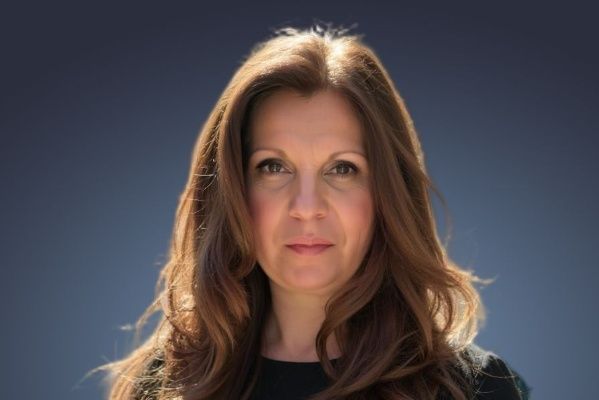
A person who is happy with themselves and what they do well continues to recharge and inspire!
Introduce
yourself in a few words…
My name is Marina Handjieva, I am the owner of
Brandino EOOD and for the last 27 years I have been working in the field of brand
communications. I started with PR, moved through event marketing, integrated
marketing communications, e-commerce, and digital marketing. For the last 16 years,
I have been actively engaged in digital PR and digital branding, helping various
companies and brands to properly organize and develop their brand communications
online. Behind me, I have 3 own brands, 3 favorite hobbies - tennis, books, and
cooking, and two wonderful, now grown-up boys.
How
would you describe your career in a few words?
I am engaged in digital branding and digital
PR - I help people who develop brands to create and manage online
content and communications, correctly and consistently. I lead trainings,
consult, write, and participate in content creation, and I also teach
students. An interesting, dynamic, colorful, at times difficult, and full of
challenges profession, but above all - filled with meaning. It has taught me to
think, to write, to create, to take risks, to dare to try, to be myself. My work
has introduced me to incredible people, I have created great
friendships, I have learned many new things in various fields, and I have enriched
my own development. I am grateful for my profession; it has always been a
trusted teacher by my side.
What
was the most important choice that shaped your path?
The first fateful choice I made
was undoubtedly my decision to accept a very interesting job in Bulgaria instead of
pursuing a second master's degree abroad, as was fashionable at the time. This
unlocked my true career path, my desire to create something of my own, to gain
knowledge and expertise in a given field, and to understand the difference between
working and just having a job.
The decision to create my first independent
brand and the subsequent separation from it nearly 10 years later have truly
been the two turning points that have shaped me a lot as a person and as a
professional. These are the three choices and the two most valuable lessons I have
learned. You need to know your own limits and capabilities and know
when to stop. However, I have always been guided by the fact that when we work with
people, we are first and foremost human beings; we must remain well-grounded and
be careful about the example we set.
What
would you have liked to know at the beginning of your career that no one told you?
A career is not an upward staircase. It is
normal to start from the beginning, and you should not be afraid to try new things.
There is no endless growth; everything has reasonable limits, and you should not
fixate on just one direction.
How
can a person understand which profession is suitable for them?
They may never understand. People find it
difficult to make decisions and often prioritize money. They do not delve into
themselves and do not ask themselves questions. But if you do something with
measures like satisfaction, love, inspiration, and even mood, then you are on the
right path. Never undertake something that strongly contradicts your moral
values and ethics that you profess.
Which
skills do you think will be key in the next 10 years?
Undoubtedly, soft skills. A generation is
coming that has no problem mastering any technical skill. They are quick and learn
easily. The big gap is in soft skills - primarily working with people, empathy,
good time management, honesty, and I would add depth in everything. The problem is
that they are cultivated at a very early age - in
families, in schools. I teach students, and it shows when there is a good
foundation and when there is not. You need soft skills for your work even as a
student, and this is the last opportunity to master them; otherwise, it will be
difficult for you your whole life, and for those you will work with as well.
How to
build a network of useful contacts without appearing interested?
In the past, we collected business cards; now,
LinkedIn does a great job and is perhaps the best professional network for me. You
still need to have an idea of why you want to get in touch with a certain person,
regardless of whether it is a direct or virtual contact. There is not much
benefit in collecting random and indiscriminate contacts.
What is
the biggest mistake you have made in your career, and what did you learn from
it?
I have made many mistakes, some I have even
repeated. But that is how you learn. There have been times when I have given up
very easily, and the truth is that a person must fight for something they love. It
could be a team you have created, a brand, or just a professional idea or
vision. I have been playing tennis since I was very young, and here a sports rule
applies - if the injury allows, sometimes you have to finish the match. You must
not let circumstances press you.
How to
recognize a toxic work environment and when is it time to leave?
This happens only and exclusively with intuition.
The inner self gives more signs than we can imagine. You feel it, and the moment
comes when you know you can no longer continue like this and with these people.
What
would you do differently if you could start over?
I would arrange things according to the lessons
I have already learned. More calmly, more wisely, without rushing and without
everything being at all costs.
How to
maintain our motivation in times of stagnation?
Everyone has such moments, and here is the big
test you set for yourself - do you love what you do and do you want to continue?
If the answer is no, you need to seek new avenues that inspire you and even
wake you from stagnation. The best advice I can give is to abstract yourself from
the clichés “everyone” and “must.” There is no need to do what everyone else is
doing. Everyone has their own path that they need to explore.
How to
achieve a balance between professional and personal life?
Personal life should not suffer compromise -
family and children always come first. The lack of balance is a warning in itself
of something more serious that may occur. To have balance, you need to choose what
to prioritize. The solution to the task is very simple; one watermelon will always
weigh more than the other that you have chosen to carry under the same arm.
When is
the time to change our career, not just the job?
In my opinion, you can never determine
the exact time. Things happen in your life, challenges arise that provoke you to
feel the moment better. If a person feels an inner urge, it is time to think.
The generations before us worked at the same place or in the same profession until
retirement; we are the first generation to break out of that cliché. I believe that
a person must make changes; they are healthy, and one should try other things.
Sometimes one can combine a main profession with other activities that provide a
livelihood or simply for variety, for personal development. This enriches,
diversifies, energizes, and gives even more meaning.
I personally have great respect for people who
make well-considered, comprehensive career turns and professional changes. For
me, this is a sign of maturity, entrepreneurship, and courage to try new things.
If
you had to give just one piece of advice to people seeking success, what would it
be?
Be yourself and be unique in every
way. Do not blend in with the template and do not immerse yourself in roles.
Success is something transient and unstable, and sometimes very imaginary. Always
be grateful to the people who have helped you along the way and do not forget
them.
What is your definition of a “successful career”?
A person who is happy with themselves and what they do well continues to recharge and inspire. Money, titles, and positions are not the right measures, at least for me. If you can easily explain how your profession helps someone else and why it is meaningful, that is success.