Companies can no longer afford to ignore the health of their teams
· Lilya Karamancheva - Doppelherz
From personal choice to shared responsibility!
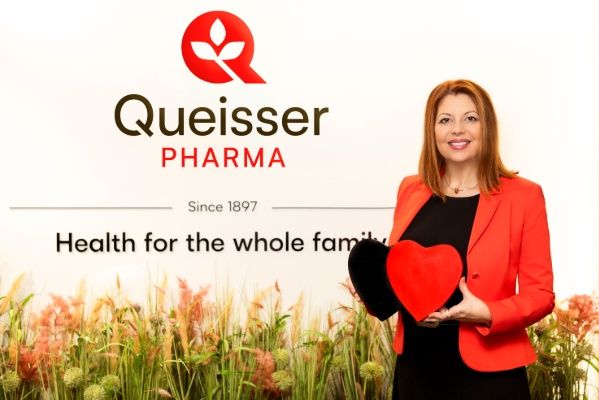
Lilya Karamancheva-Dobreva on the employer who not only talks about health care but creates time and conditions for it to happen.
Ms. Karamancheva, please introduce yourself briefly and tell us about your role as the CEO of Queisser Pharma Bulgaria?
I am a master's degree pharmacist and psychologist by education, a seeker of meaning and new horizons by vocation. For more than 25 years, my professional path has been in the pharmaceutical sector. I have been managing Queisser Pharma Bulgaria for 18 years – a subsidiary of the German manufacturer of health support products.
For me, this role is not just about managing a business. It is a responsibility towards people – towards the team, partners, and everyone who trusts us. I have the fortune to develop in Bulgaria a German family company with a history since 1897., with high standards for quality and a human face.
I believe in empathetic leadership, but also in clear boundaries: care does not negate responsibility, but helps people grow and develop their potential. I love what I do and believe in the power of people who share common values and dreams.
How has the understanding of health as a corporate priority changed globally in recent years?
Previously, health often remained in the category of “social benefits.” Today, we know that it is part of business sustainability.
After the pandemic, topics of mental health, professional burnout, prevention, and balance ceased to be personal problems that we leave at the office door. An employee does not come to work only with their knowledge and skills – they come as a person with their joys and worries. And a good employer must see exactly that – the person.
For more than 100 years, our brand Doppelherz has proudly carried the slogan “The Power of Two Hearts” – a promise to be a support for those in need.
Why is the topic of health now going beyond individual responsibility and becoming a strategic issue for business?
Because the environment can support healthy choices, but it can also make them difficult to access.
According to Eurostat data for 2024, the average life expectancy in the EU is 81.7 years, while in Bulgaria it is 75.9. This difference of 5.8 years is not abstract statistics. It is a reason to ask ourselves where along the way we miss prevention.
Sometimes it is not a lack of responsibility – it is a lack of time, access, and convenience. That is why at Queisser Pharma Bulgaria we created our “Health Day” – an additional, even mandatory day off, in which the colleague can take care of their health in a timely manner, without choosing between a check-up and work.
What is the relationship between corporate culture and sustainable health practices in an organization?
Corporate culture is not a slogan on the wall. It is what a person feels on Monday morning – can they say they need help, is their personal time respected, is there trust and fairness.
Health practices are sustainable only when leaders live them, not just announce them. If we praise exhaustion and burnout as heroism, no wellness program will save us.
What are the global trends in corporate health that companies should monitor?
I see three clear directions: more prevention, personalized support through different life stages, and a more serious approach to mental health.
To these, I would add health literacy and awareness – a person understanding what and when is important to do. That is why our team, together with doctors and pharmacists, created “Doppelherz Health Guide”.
Initially, it was intended for internal use, but the interest from friends and people outside the company showed us that this information should be accessible to more families.
Our “Health Guide” provides reliable guidelines for recommended preventive check-ups and tests at every stage of life, organized by age and gender, to be as convenient as possible.
Where is the balance between productivity, efficiency, and health care in the modern business world?
True productivity is not about getting the most out of a person today and paying the bill tomorrow. Burnout is a loan from the future – and the interest is always high.
Balance means clear priorities, realistic expectations, the right to recover, and honest conversations when the workload becomes excessive. Care is not a lowering of standards. It is a way for high standards to be sustainable.
What is the role of leadership in creating an environment where health is a priority at the organizational level?
The leader sets not only the goals but also the price that people are allowed to pay for them.
For me, empathetic leadership means seeing the person, hearing their context, and at the same time maintaining clear boundaries, consistency, and responsibility. It is not enough to say “take care.” You must create conditions: health insurance for every employee, time for prevention, and a culture where self-care is not perceived as weakness.
What are the most common mistakes companies make when trying to implement health-related policies?
Most often, they make a loud one-time initiative and call it a strategy. Or they offer something without asking people what they actually need.
Another mistake is the contradiction: we talk about balance but reward constant availability; we talk about prevention but do not give time for it.
However, I believe that more and more companies today are taking responsibility for the health of their employees.
How can an organization integrate the topic of health into its long-term strategy rather than as a temporary initiative?
By turning it into a system: specific policies, budget, responsible people, regular feedback, and personal example.
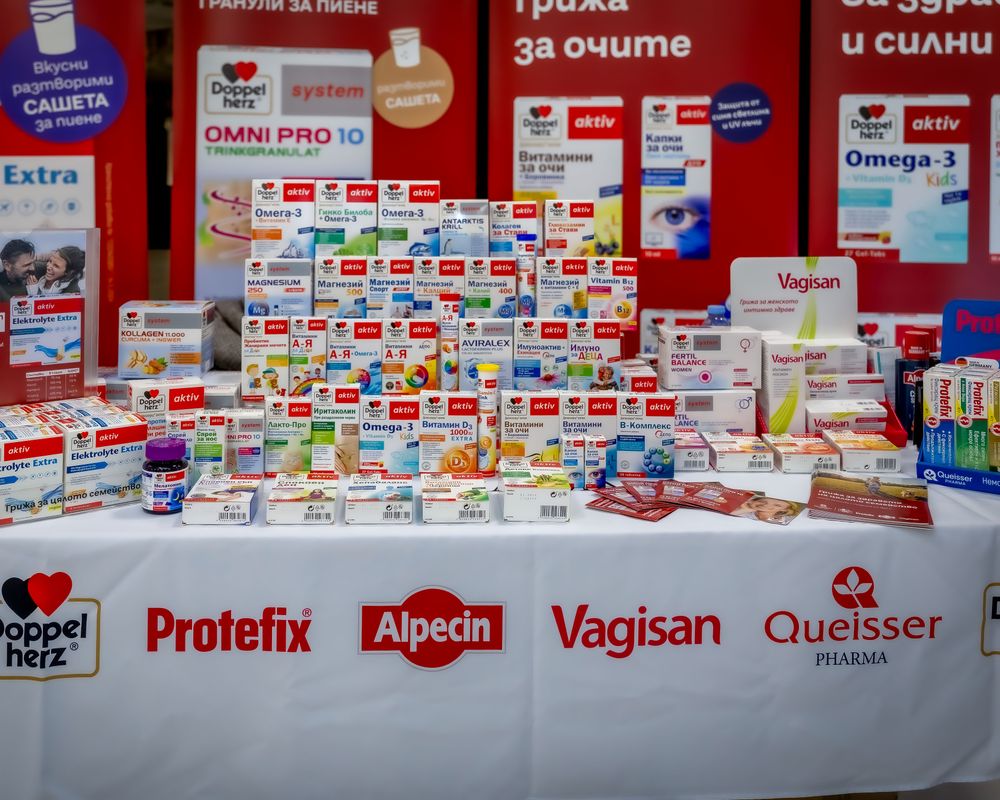
At Queisser Pharma Bulgaria, this includes health insurance for every employee, a “Health Day,” and the “Family Care” program. Through it, every colleague receives free Doppelherz products of their choice every month to support the health of their family.
We all believe in the products, and proof of this is that our colleagues trust Doppelherz to support the health of their families every month.
What are the benefits for business when health is viewed as an investment rather than an expense?
The benefits are long-term and require a lot of patience – not everything valuable can be accounted for in the next management report.
Trust, belonging, and the desire to give more than what is required are real capital. We spend eight hours a day in a work environment, and if we do not have the conditions to be calm and meaningful – why should we put ourselves through that?
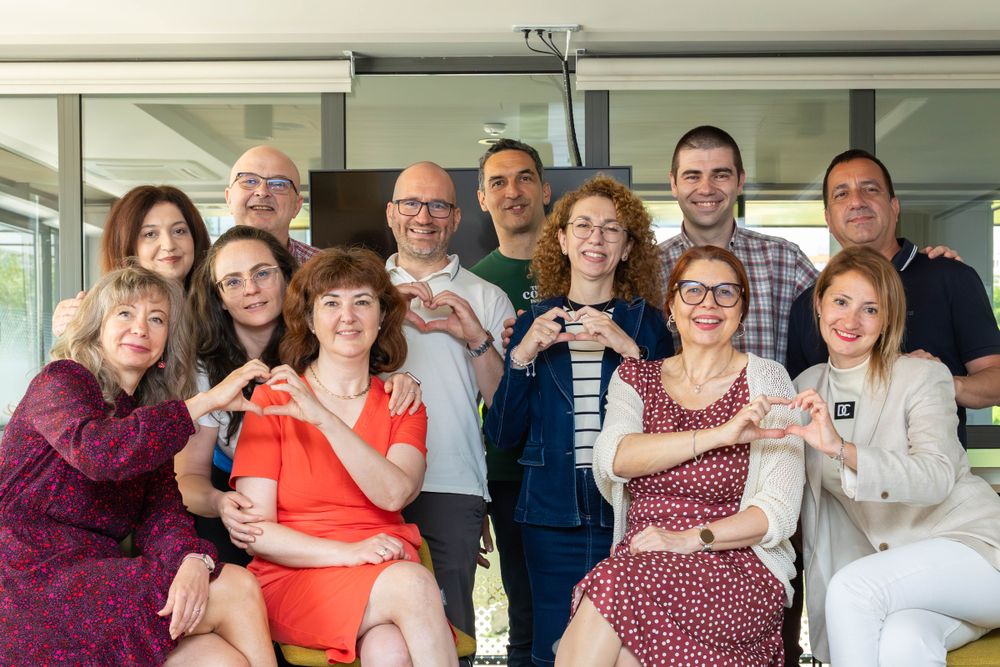
At Queisser Pharma, we are fortunate to enjoy extremely low turnover – a large part of our team has been with the company for over 10, 15, and even 18 years.
And our most human and beloved indicator is that in the last 10 years, around 30 babies have been born in the families of our employees – an average of three each year. Perhaps this is the most valuable “asset” of our heartfelt company – the strength of our many hearts.
How do you see the development of corporate responsibility towards health in the coming years?
I expect responsibility to become more concrete and measurable. Not just a subscription for sports, but real access to prevention; not general messages, but support according to age and life stage; not one-day campaigns, but a constant health culture.
For us, this cause naturally includes movement. Doppelherz is a global partner of FC Bayern München, and in Bulgaria, we support our young Olympic hopes – Tervel and Malena Zamfirovi.
Sports carry the same values that we cherish in business – discipline, perseverance, and sustainable development. Queisser Pharma has developed a rich portfolio of products that support movement and the health of joints, muscles, and bones.
If you had to summarize in one sentence – why is health a key factor for the sustainable success of any company?
Because business can only grow sustainably when the people in it have the health, energy, and trust to grow together with it… and because “A business that does nothing but make money is a poor business.” (Henry Ford).