How to avoid going to the doctor when it's already too late?
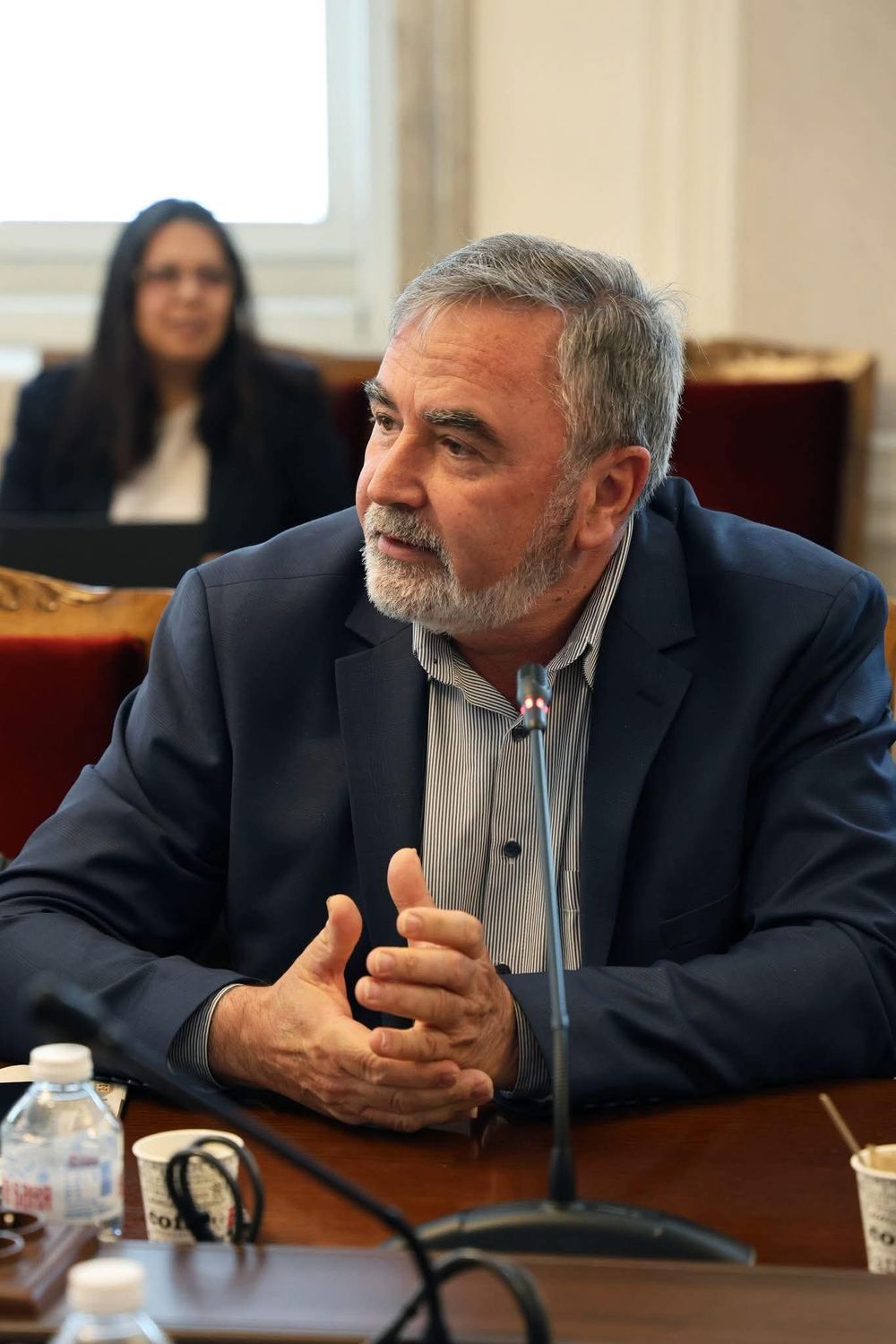
· Assoc. Prof. Dr. Angel Kunchev, DM
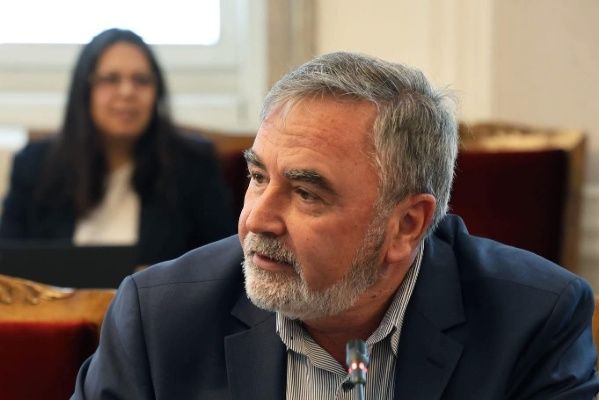
“I’m fine”: the most dangerous delusion when it comes to our health!
Could you briefly describe your professional journey and what drives you to have such a strong attitude towards the topic of prevention and early detection of diseases?
From a human perspective, my professional path is not interesting at all – a lifetime in one system – that of public health and in one specialty – epidemiology. It may seem boring, but it is actually a very good opportunity to dedicate yourself to something you have chosen and to succeed in climbing all the steps of professional development – from a regular epidemiologist at the Regional Health Inspectorate in Haskovo to Chief State Health Inspector twenty years later. In epidemiology, it is an undisputed postulate that the earlier you detect and prove an infectious disease, the faster and more effectively you can deal with it and prevent it from escalating into an epidemic outbreak or epidemic.
Why do you think so many people in Bulgaria only go to the doctor when they already have a serious problem? Why do we wait for symptoms to become obvious instead of seeking the problem before it appears?
Because we are used to someone taking care of us – parents, school, institutions, the state. Unfortunately, this is quite far from reality. The truth, even if it sounds a bit cynical, is that if we exclude parents after childhood, there is no individual or institution that cares as much about our health as we do. It is normal for a person to pay attention to their own health and to take care to keep their body in good condition. However, this is not always the case, and it is not always that easy. Some habits are very strong and difficult to overcome even when we are aware of their harmful influence – let me just remind you of the most common ones – poor diet, sedentary lifestyle, smoking, alcohol consumption, polypharmacy, etc.
“If nothing hurts, then I am healthy” – is this one of the most dangerous delusions? How often does the absence of symptoms actually mean that the disease has not yet signaled itself?
In fact, most diseases have a hidden, silent period that sometimes lasts for years. During this time, we are at a stage where there are almost no symptoms, while there is a great chance to stop the development of the disease even without heavy treatment and medication. The alarm signal can be the results of some laboratory tests or imaging diagnostics, but only if we have done them as part of a preventive check-up.
Where do you think we should draw the line between the responsibility of the healthcare system and the personal responsibility of each individual for their own health?
As I said before, it is good for someone to take care of us, but in most cases, this is not the case. It may sound vulgar, but hardly anyone cares more about our health than we do ourselves. A dose of healthy skepticism and even selfishness here is not excessive. The illusion that the state, the ministry, the hospital, or even our personal doctor will think about our health more than we do ourselves is a dangerous delusion and a trait instilled by another social system.
Japan is often cited as an example of a society with a high life expectancy, many centenarians, and a well-developed culture of prevention and screening. What can we learn from the Japanese approach, and what of it could work in Bulgaria?
Unfortunately, I am skeptical here. I have been to Japan and know their national psychology well – it is quite different from ours. Historically and traditionally, they are people who place the common interest far ahead of the personal, they are inclined to accept strict rules and sometimes make sacrifices that are incomprehensible to us. We are much more individualistic – this has its good sides, but overall it is not in the interest of society and the observance of law and order. Their way of life, the traditions of Japanese cuisine, healthy eating, and movement are deeply rooted in their traditions, and I do not think it is realistic to think that we can directly transfer them to us.
Do we have a problem in Bulgaria not so much with medicine, but with the culture of prevention? Why is a person willing to wait until the possibility of treatment becomes much more complicated instead of investing time and resources much earlier?
Exactly so, and practice constantly gives us evidence of this – many diseases – cardiovascular, metabolic, oncological, etc. are detected at a significantly later stage. Often this is crucial for the success of therapy and the final outcome. Recently, we are trying to overcome this problem by developing and implementing various preventive and screening programs, and this is a step in the right direction. But often they are limited in scope, with low budgets and limited implementation time, and they only concern specific diagnoses against the backdrop of the vast variety of health problems and diseases.
If a person wants to take real responsibility for their health, from what age should they start regular preventive care, and how should it change throughout different stages of life?
Starting from adolescence all the way to old age – there is always room for prevention and early diagnosis. Of course, the older we get, especially after crossing the threshold of 50-60 years, the more important it becomes to pay attention to our health and actively seek early signs of an emerging pathological process.
What are the basic tests that you think a person should not neglect – blood indicators, blood pressure, urine, cardiovascular assessment, imaging diagnostics, oncological screening? And which of them should be a mandatory part of our personal health calendar?
I am not a narrow specialist in the main medical disciplines and do not consider myself the expert who can most accurately recommend specific tests and examinations. However, I can recommend that we take advantage of at least the minimum opportunities provided by various preventive programs – for example, those for early detection of prostate cancer, breast cancer, colorectal cancer, and cervical cancer. They are chosen for a reason – they cover some of the most common diagnoses that are responsible for a high percentage of deaths in the population. Medicine has undergone a true revolution in treatment options for some of them, and with early detection, healing is possible, and survival and ensuring years of a fulfilling life is entirely achievable.
Is there a danger of falling into the other extreme – doing a huge number of tests without medical necessity? How can we distinguish true preventive screening from simply “doing all tests just in case”?
Not only is there such a danger, but it is even a reality for quite a few people. This is the other side of the coin. There are sensitive individuals who draw information from unproven sources, mainly on social media, who tend to take absolute extremes. They undergo unnecessary tests, insist on continuous check-ups and complex diagnostic examinations, visit doctors and hospitals, and take dietary supplements and medications without any necessity. Besides wasting their own time, they clog the system, spending personal and public resources unnecessarily. They are convinced of their correctness, actively seeking and reading information that aligns with their views, and find it very difficult to accept scientific facts and evidence that contradict their beliefs.
How important is family history? If there are certain diseases in the family, should a person start their examinations earlier or do them more frequently?
It is extremely important. Science continuously finds new evidence of how significantly heredity plays a role in so many diagnoses. We should not be fatalistic and think that everything is predetermined, that whatever is “written for us” will happen, but the truth is that the presence of certain diseases in ancestors is a red flag – a warning of what we can expect and what we should pay special attention to.
Why do you think Bulgarians psychologically accept the expense for treatment more easily when they are already sick than the expense for prevention when they still feel healthy?
Well, they do the same not only regarding their health. We do not have a culture of prevention – you know how many people in Bulgaria are inclined to insure their property, for example. We resort to this only if it is mandatory – like civil liability for cars. A psychology of the type – it won’t happen to me or I’ll think about it when it happens is widely spread.
Can we talk about the economics of health and from a personal perspective – that in many cases prevention and early detection can save not only health problems but also significantly larger expenses later on?
This is undeniable. Every year I encounter exactly this type of thinking regarding vaccination against the flu, for example. Even a relatively mild illness requires treatment that is at least 2-3 times more expensive than the cost of vaccination. Not to mention the severe complications requiring hospitalization and the use of many medications – there the price difference can reach even hundreds of times. I do not even account for the missed benefits – from being on sick leave or the costs to society – even just from a personal perspective, the math is more than obvious in favor of prevention.
How should we change the national psychology so that we stop perceiving preventive check-ups as something we do “if there is time,” but as a normal part of our lives – just like paying bills, maintaining our car, or going to the dentist?
National psychology is a product of long years of historical development. Moreover, it is an inertial system where the effects are slow and delayed over time. But that does not mean we should not work on the issue. I had an interesting conversation some time ago with colleagues in the UK, which has achieved remarkable success in drastically reducing smoking, especially among young people. When I asked them how they achieved this, they explained that they work diligently and convincingly, and the first visible results were seen only after 7-8 years, while a real reduction in smoking is reported nearly 20 years after the start of the program. I fear that our politicians do not have this patience – if the results are not visible within 1-2 years or at least within a single term – they lose interest and willingness to fund such preventive programs.
What role can employers play? Can a company really change people's behavior if it makes prevention and screening part of its corporate culture, rather than just another social benefit?
They can definitely play a significant role, as long as they realize the benefit of this and are willing to invest in the health of their employees. In recent years, I have observed an interesting trend – during the annual flu vaccination before the winter season, representatives of large Western companies with branches in Bulgaria organize free vaccinations for their staff on their own initiative. Besides the pure social effect of this measure, they have calculated well and experience has taught them that it is much more cost-effective to spend 15-20 euros on vaccination than to lose hundreds of working days and expenses during a flu epidemic. This example is contagious, and now I see that many of our companies are starting to do the same.
And finally – if you had to convince a person who hasn’t been for a preventive check-up for years with the argument “I’m fine” to do it right now, what would you say to them?
Think more about yourself! Be selfish in the good sense of the word. Don’t expect someone to care about you more than you care about yourself. It is more effective and cheaper to monitor your health and take care of it than to treat diseases and roam hospitals as a patient.