How to Build a Company That Looks 150 Years Ahead?
· Henkel Bulgaria
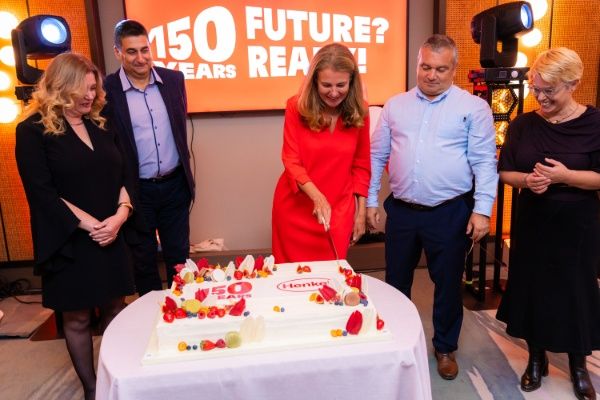
150 years later, the question remains the same: can it get better?
Ms. Videnova,
could you introduce yourself – what is your professional journey at Henkel and how
did you go from an entry-level position to president of the company in Bulgaria?
Before I answer, I have a small request. Just call me Blaga. That’s how we all talk in Henkel.
I started
my career at Henkel over 25 years ago as a marketing intern and
since then I have come a long way. More importantly, my story is far from
being the only one like it in the company. We have many colleagues who started from
entry-level positions and today lead teams, functions, or entire businesses.
This is one of
the things I value most about Henkel – the company gives people the
opportunity to develop and take on greater responsibility while creating
a supportive environment where they feel good.
Perhaps that’s why
so many people stay and build their careers here for years. I consider this to be
one of the most meaningful indicators of an organization’s success.
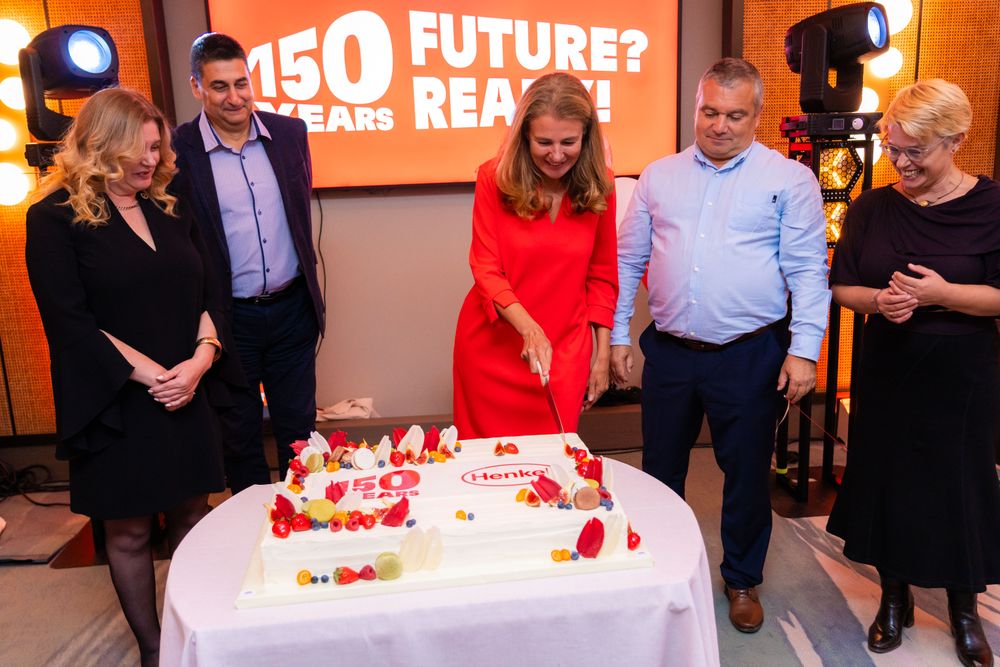
Henkel
celebrates 150 years of history. What does it mean for you as one of the leaders
of the company in Bulgaria to be part of this anniversary?
When you have worked
at Henkel for over 25 years, such an anniversary inevitably has personal significance.
I feel happy to be part of a story that began long before us and will
continue long after us. This puts our own work in a different
perspective.
Henkel has never
been built by just one generation. For 150 years, people from all
over the world have developed the company with their ideas, courage, and dedication. Now
it is our responsibility to preserve what has been achieved and leave the company stronger
for those who will come after us.
Here in Bulgaria,
I am particularly proud of our team. Every day, colleagues invest their talent,
energy, and heart into Henkel – and that is what drives our company forward.
For me, this
anniversary is an opportunity to say a big “thank you” to everyone who is part
of this journey. I am happy that together with Henkel teams around the world, we in
Bulgaria celebrated this important moment and expressed our gratitude to
the Bulgarian team.
When I look
back, I feel confident, and when I look forward – excited. We celebrate 150
years, but at the same time, we are building the future together.
150 years is
a history that few companies in the world can tell. What do you think are the
most important moments that have made Henkel the company we know
today?
Perhaps the
most interesting thing is that a large part of Henkel’s history does not start with
grand plans, but with a simple question: “Can this be done better?”
Take Persil.
Today we launch the washing machine and hardly think about it. However, more than 100 years
ago, laundry was hours of hard physical labor. When Persil appeared, it
changed the daily lives of millions of people because a large part of that work
began to be done by the detergent itself.
The same goes for Schwarzkopf.
At the beginning of the last century, people often washed their hair with soap or homemade
mixtures. The brand’s founder, pharmacist Hans Schwarzkopf, created one of
the first shampoos, and later Schwarzkopf became a pioneer in liquid shampoos.
Decades later, the brand became part of the Henkel family and is still one of the most recognizable
in the world.
The story behind Pritt is also interesting.
The glue stick is such a natural part of our daily lives that we rarely think about where it comes from. And the idea actually comes from the mechanism of lipstick.
However, my favorite
story is about adhesives. It all started from a lack of glue for
the packaging of Persil. Instead of waiting for a solution from outside, Henkel started to
produce glue themselves. Thus, a second major business pillar of the company was gradually added to the consumer brands business. From it later emerged Loctite,
Ceresit, Moment and Pritt, and its technologies are now used in
cars, airplanes, electronics, and medical equipment.
When I look
back at these stories, I see not just brands. I see people who refused
to accept that things had to stay as they were. And perhaps that explains why Henkel is here after 150 years. Not because we have been doing the same things for so long, but because we have never stopped searching
for a better way.
What changes after 150 years, but what remains unchanged? What values and principles
have been at the core of Henkel from the very beginning to today?
Technologies change.
Brands evolve. The world is becoming faster. But if there is one thing that
remains unchanged over these 150 years, it is the way we achieve our successes – together.
I really like
one thought from Fritz Henkel: “The best thing created from my work does not
come from my ideas, but from the collaborative work of my employees.”
I say this from
personal experience. After more than 25 years in the company, I have seen many changes, but
I have never seen the strength of teamwork change. For me, this
says it all. Behind every innovation, behind every brand, and behind every success are people
who work together. And perhaps that is why Henkel continues to evolve even
after 150 years.
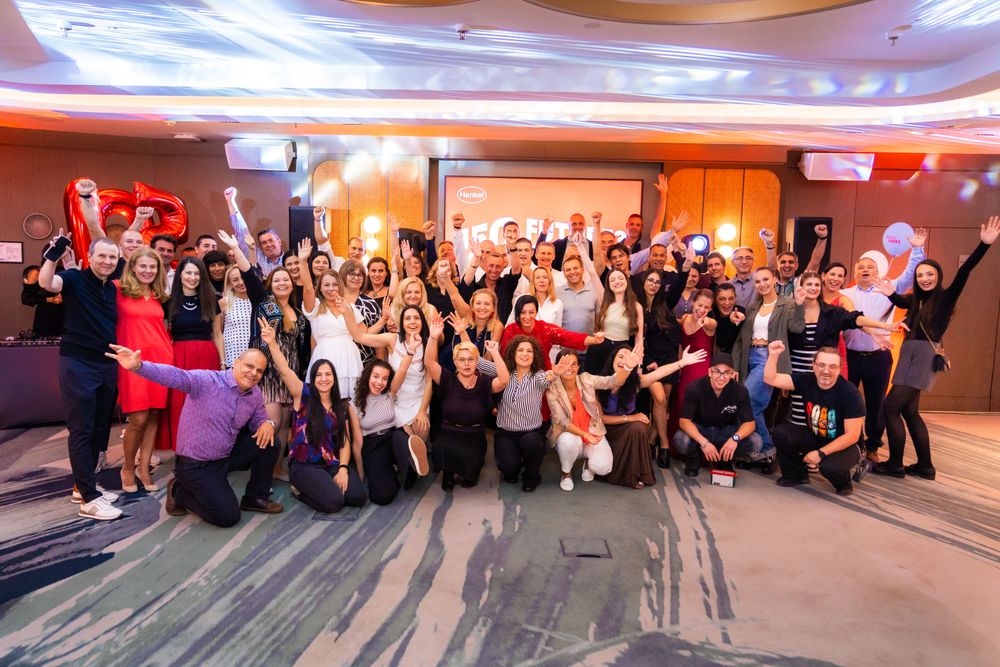
Henkel is
a company with a vast heritage, but also with a reputation for innovation. How do you combine
respect for history with the constant need to be one step ahead of the future?
For me, history
is a source of inspiration from which we must learn. When we look back,
we see generations of people who were not afraid to try new things, to
change the established order, and to seek better solutions.
150 years is
a history, but also a responsibility – to preserve the best of what has been achieved so far and to
build upon it for the next generation.
Perhaps that’s exactly
why the motto of the anniversary is Future? Ready! Because we are not just celebrating 150
years of history, but everything that is yet to come.
What is your
personal assessment of Henkel’s journey in Bulgaria – how has the company,
the business, and the people behind it changed over the years?
When I started at
Henkel, we were a much smaller organization and worked in a completely different business
environment. Since then, almost everything has changed – the market, technologies, the way we
work and communicate with consumers.
Henkel has also
changed. We have built strong brands, long-term partnerships, a manufacturing base,
and a culture that attracts and retains good people.
Today our portfolio
includes well-known brands such as Persil, Somat, Perwoll, Bref, Schwarzkopf, Syoss, Palette, Taft and Gliss, as well as Ceresit, Loctite, Moment and Pritt.
But there is also something
that has not changed – the feeling that we are one team. When I look back
at these 25 years, I first remember the people, and only then the results. For
me, that is the true story of Henkel in Bulgaria.
What results
and achievements of Henkel globally in recent years would you highlight
as particularly important in the context of this 150-year history?
I would start with
the goal of Henkel – “Pioneers in spirit for the benefit of generations.” These words
very well describe what lies behind some of our most important achievements in
recent years.
Sustainability is
not a new topic for Henkel. It has been part of the way the company thinks and makes
decisions for many years, but today it is more important and relevant than ever.
A very good
example is our adhesive technologies for electric vehicles. They help make batteries safer
and more efficient, but also facilitate their repairability, disassembly, and recycling.
We see the same drive
in our consumer brands. Persil and Somat are just two close-to-daily examples of how innovations can help reduce energy and resource consumption without compromising results.
If I had to
highlight one major achievement, it is Henkel’s ability to
combine innovation and sustainability in a way that brings real benefits to people
and business.
And if today
you had to send a message to the people who will work at Henkel in another 150
years – what would you like to tell them?
I would wish them
to always keep the spark. The spark to learn, to develop, and to seek better
solutions. And most importantly – to keep the human touch.
Because
technologies will change. The world will change. But it is the people who are
why Henkel has been here for 150 years. And I believe that this will not change even after another 150.