Mother of Two Sets of Twins, Lecturer, and Successful Hotelier
· Lucky Bansko Aparthotel & SPA

Her driving force is her partner and her children, who are also her main 'provocateur' and motivation for development!
Asya Pandzherova is an Associate Professor,
doctor at the University of National and World Economy, in the Department of "Economics
of Tourism." She has completed two Bachelor's and two Master's degrees in
Management in Tourism and Finance, as well as a doctoral degree at the same university.
With her long-standing experience as a lecturer at several Bulgarian and foreign
universities in the UK and Dubai, she teaches key tourism disciplines and strives to make a positive contribution to education in
Bulgaria by inspiring young people and encouraging them to stay in Bulgaria and
develop in the tourism business.
In addition to being a lecturer, Asya
Pandzherova successfully runs a thriving hotel business. Together with her partner Dimitar Krastev, she is
the Executive Director of the 5-star Lucky Bansko Spa & Relax Aparthotel in
our winter resort Bansko and of the Paradiso Dreams Hotel in Nessebar. She has been part of
the hotel industry for over 20 years. She started her career as a
consultant for some of the largest vacation hotels in Bulgaria, but there came
a moment when she felt ready to become part of the operational processes
and together with her partner took over the management of the hotels. Her intentions are not to
stop here, and together with her partner, they continue to expand the portfolio
of the properties they manage.
On a personal level, she is happily
married and a mother of 4 children – two sets of twins. Her driving force is
her partner and her children, who are also her main 'provocateur' and motivation for development.
She believes that the foundations of a strong family and love are prerequisites for success
in general – both personally and in business. She defines herself as a determined and goal-oriented
person who plans her time very well, knows what she wants, and how to achieve it. Despite the difficulties and numerous commitments, she works with
great motivation, love, and organization, is not satisfied with what she has achieved, and
continues to set even higher goals.
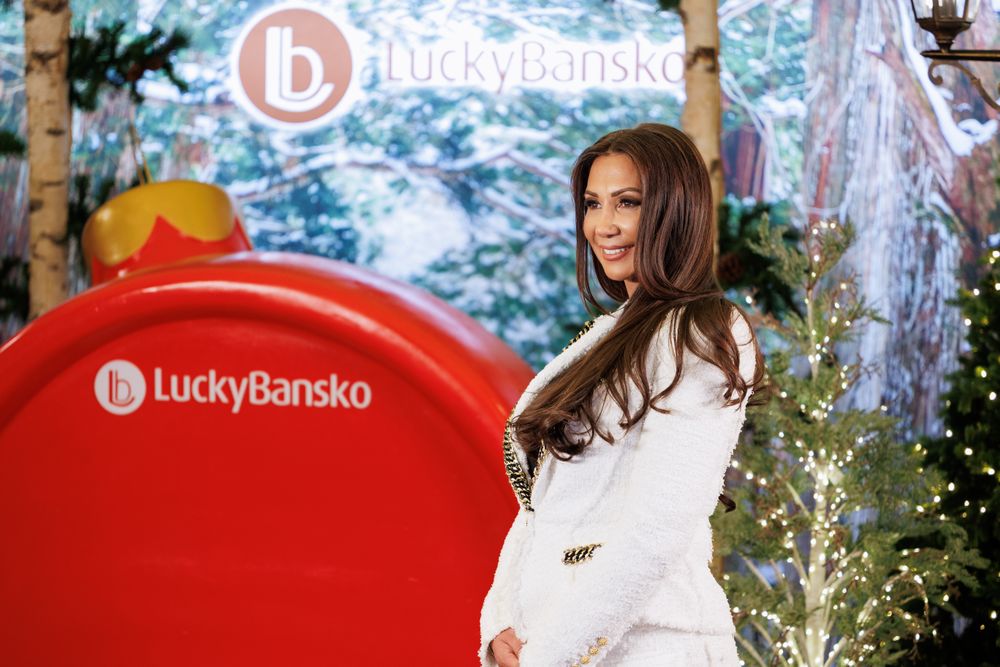
Introduce yourself in a few words – how did your professional journey begin and how did you come to create and develop Lucky Bansko Aparthotel & SPA?
My professional journey has always been at the intersection
of tourism, education, and entrepreneurship. I graduated from UNWE, where I
subsequently continued my academic development, but for me, theory has always
made sense only when it can be applied in real business. At one point,
I realized that I wanted not only to analyze processes in tourism but to take direct
responsibility for them – for the decisions, the people, and the results. Thus, it naturally led
to the creation of "Hotels and Dreams" Ltd. and the management of Lucky Bansko
SPA & Relax. This was a serious step. A five-star hotel cannot be managed
only with ideas and good intentions. Every day you have to prove your standard to
your guests and your team. It is this responsibility that continues to motivate me.
What were the most difficult moments at the beginning and what lessons did
building a 5-star hotel in Bulgaria teach you?
The hardest part at the beginning was not to give in to the desire
for everything to change immediately. In hospitality, hasty decisions often
create more problems than they solve. You first need to understand the people,
the processes, and the guests' expectations, and only then determine what truly
needs to change. I learned that sustainable results come gradually. Not
through one big decision, but through many small improvements that are followed every
day. I stood my ground never to compromise on standards, even when the compromise seems like the easier and cheaper solution. Hospitality
is an extremely sensitive business – a beautiful building does not compensate for poor
service, just as good staff cannot compensate for a product that is not
invested in.
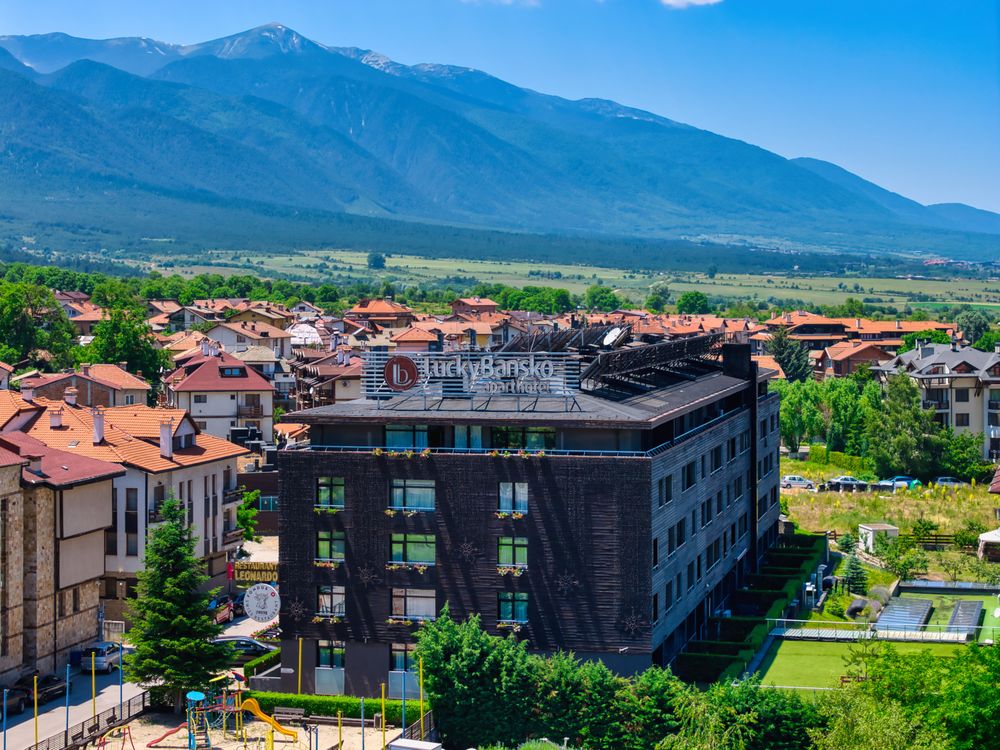
Was there a moment when you said that the hotel needed to
develop in a completely new direction? What triggered this change?
Rather, there was not one specific moment. The change
came gradually because we saw how guests and the way people travel were changing. Very early on, we realized that if we relied solely on the winter
season, we were limiting our potential. That’s why we started developing
wellness, SPA, health programs, children's concepts, gastronomy,
corporate events, and summer activities. Thus, Lucky Bansko gradually transformed from a winter hotel into a year-round product.
Over the years, the hotel has continuously expanded and
renewed – from SPA concepts and restaurants to children's programs and specialized
services. How are these ideas born?
From several sources – from guests, from the team, from our travels,
and from observing the international market. But we never introduce something just
because it is currently trendy. We ask ourselves: does it bring real value to the guest and does it have a logical place in the hotel's concept? This is how our programs,
different SPA and wellness solutions, restaurants, and specialized family
services emerged. A good idea is one that the guest not only notices but uses and
seeks again.
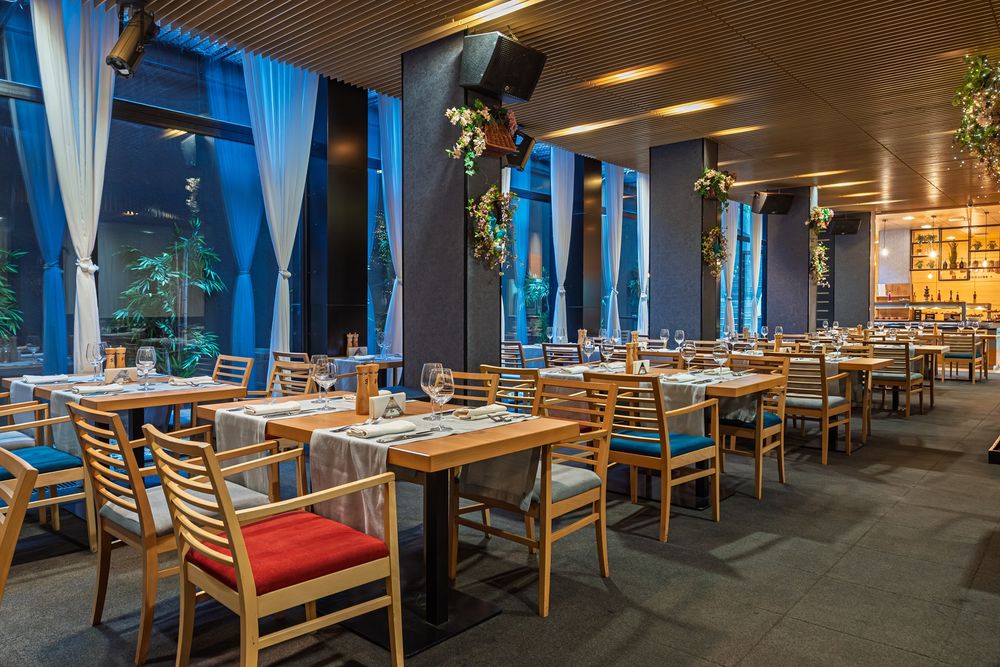
How have guest expectations changed over the last
15–20 years? Is today's tourist more demanding?
Definitely. Today's tourist is more informed and compares
much more. Before booking, they have already looked at photos, ratings,
comments, and alternatives. Therefore, their expectations are formed not only upon
arrival at the hotel but much earlier.
I wouldn't say that guests have necessarily become
more picky. Rather, they are more sensitive to inconsistencies. When a
hotel promises a five-star experience, every part of it must support
that promise – from the first conversation during the reservation to how issues are
addressed when they arise.
Guests now value not only comfort but also their time.
They want communication to be easy, the service to be well-organized, and someone to
have thought ahead about the important details.
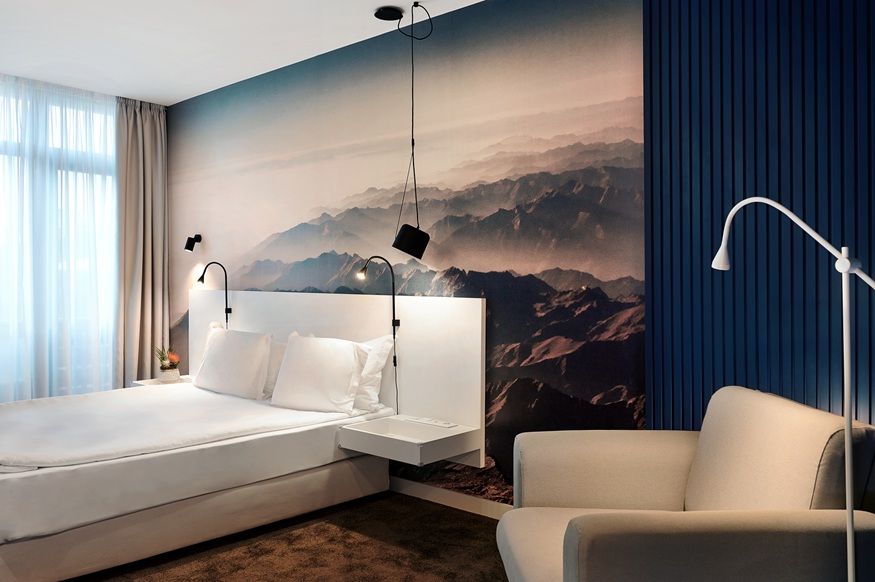
Photo: Lucky Bansko Aparthotel, SPA & Relax
What does a true modern 5-star hotel look like today? What is no longer sufficient on its own?
A beautiful facility, spacious rooms, and a good
location are important, but they are no longer sufficient. They may attract a guest
once, but do not guarantee that they will return. A modern five-star hotel
must be well-organized but should not make the guest feel the organization
is mechanical. Behind a calm experience usually lie many processes,
good coordination, and a team that knows how to respond.
For me, the true standard is most clearly seen when something
is not going according to plan. Luxury does not mean that problems will never arise.
It means that they are noticed in time, taken on by a specific person, and resolved with
respect for the guest.
The five-star product begins where the hotel manages
to anticipate the guest's needs before they have even asked for them.
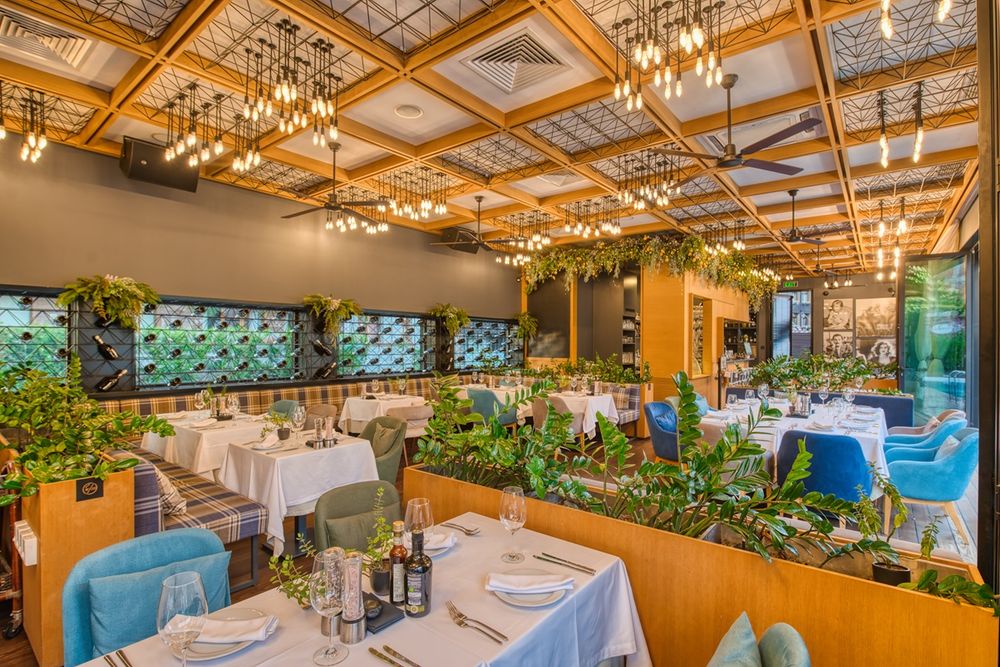
In the past, luxury was often primarily associated with interior
and amenities. Today, what truly defines the feeling of luxury?
Today, the greatest luxury is time, tranquility, and
attention. Not having to wait. Not having to explain twice what you want.
Someone remembering your preferences. Having space, silence, good food, and
the feeling that everything around you happens naturally. True luxury is increasingly
becoming invisible.
How did the Covid pandemic change the hotel business and what
transformations has it left behind?
Covid changed the attitude towards safety, cleanliness,
space, and flexibility. Guests began to value nature much more, the opportunity for outdoor activities, SPA, and a healthy lifestyle. The pandemic also accelerated digitalization – online communication, direct
reservations, and the need for hotels to respond much more quickly. But perhaps
the most significant change was another: people realized that vacation time should not
constantly be postponed.
Have tourist habits changed after Covid – how they book, how they vacation, what they seek, and what they now refuse to accept?
Reservations have become significantly more dynamic and often
closer to the travel date. Guests seek more flexibility and examine much more carefully what they receive for their price. There is also something else –
people now find it much harder to accept mediocre service. After they have
dedicated their limited free time for a vacation, they expect it to be truly quality.
Do you notice an increasing demand for experiences rather than just accommodation?
Categorically. People do not want just a room to
spend the night in. They seek meaningful time spent – with family, with a partner,
or with themselves. For some, this is an active day in the mountains, for others –
tranquility in the SPA center, a nice dinner, or time with the children, where they do not
have to constantly think about the organization. The hotel's task is to create
conditions for different experiences without imposing the same model on everyone. More
and more guests also appreciate the opportunity to slow down. In our daily lives, there is
enough rushing. A good vacation sometimes is simply the feeling that someone else
has taken care of the details.
Lucky Bansko Aparthotel & SPA is often cited as
a hotel that constantly invests in development. How important is it in this
business to never stop improving?
It is vital. In hospitality, the moment you decide
that you are already good enough is usually the beginning of falling behind.
Competitors are evolving, technologies are changing, and guest expectations are
constantly rising. That’s why we invest every year – in rooms, common
areas, SPA products, food, technologies, and staff training.
What is the most valuable reputation you have built over the years?
Trust. You can run the most expensive advertising
campaign, but it does not have the value of a guest who has returned to you for ten years
and recommends you to their friends. For me, this is the strongest capital of a hotel – when its name already creates an expectation of a certain quality.
What are the hotel's strongest points today and what do you think
distinguishes it from other 5-star hotels in Bulgaria?
I wouldn’t want to directly compare Lucky Bansko with other
five-star hotels because every good property has its own character. For us, it is
more important to be consistent in what we offer. One of our strengths is that the hotel can accommodate different guests and different reasons for
travel. Families with children, couples, people looking for a SPA vacation, active
activities, or conditions for business events can find a suitable environment in
one place.
Another important advantage is the team. The material base can
be updated, but the attitude is built much more slowly. When guests return and recognize the people who have taken care of them during their previous
visit, trust is created that cannot be achieved solely with interior
or advertising.
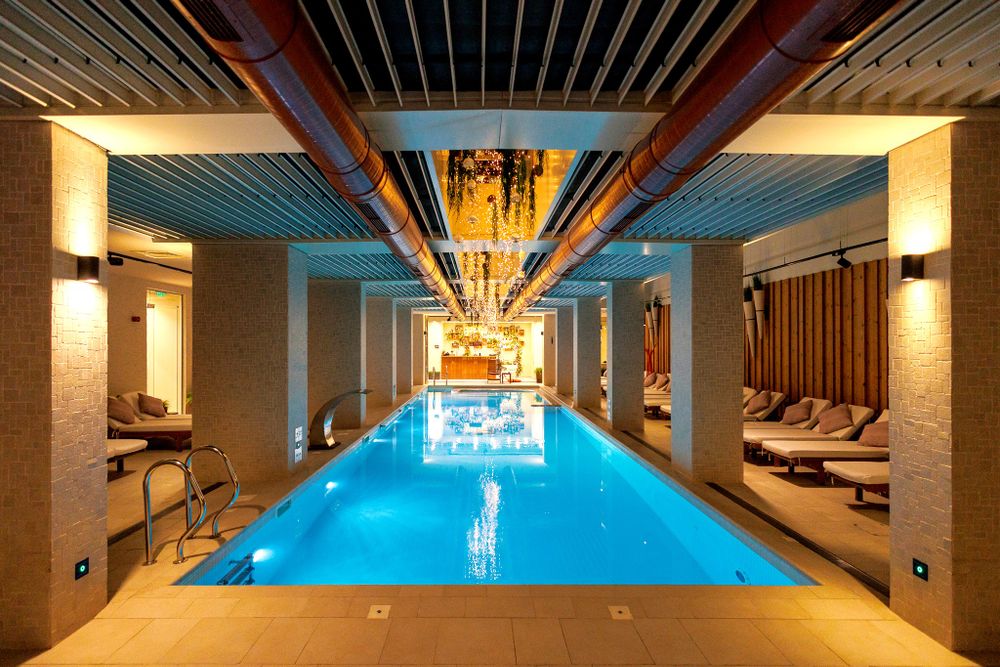
What services and amenities impress guests the most?
Often it is the details that make the strongest impression.
The pillow menu, the evening room setup, attention to children,
the warm pools, individual SPA therapies, special dietary offerings,
or a small compliment to the guest can stay in memory much more than
something showy and expensive.
For families, it is especially important for parents to feel
that someone has thought of them and their child.
But often the most striking impressions come not from big amenities,
but from personal attention and timely gestures – when a staff member remembers
a preference, helps at the right moment, or finds a solution without the guest having
to insist.
This reminds us that service is not measured only by the number of
amenities offered. It is important how they reach the person and whether they truly make
their stay more enjoyable.
The hotel offers an exceptional variety – SPA center,
gourmet restaurants, children's programs, wellness concepts, conferences. Is it difficult to maintain the same high level in everything?
It is difficult because each direction has its own
specificity and requires prepared people. One successful service cannot compensate
for weaknesses in another. The guest perceives their stay as a whole.
That’s why we strive not to rely solely on the individual
qualities of individual employees but to build clear processes and responsibilities. At
the same time, standards should not turn people into performers of learned
lines. They should give them security and the freedom to respond appropriately.
Maintaining the level requires constant feedback,
training, and a willingness to admit when something is not working well enough. In
management, there is no moment when you can say: "We are ready now and there is nothing
more to improve."
How do you create the feeling that the guest feels special
from the very first minutes?
With human attention. The guest almost immediately understands whether
the staff member in front of them is simply
going through the motions or genuinely cares about
them.
A smile, addressing by name, a quick response, and
information that comes just when needed do not cost millions. But
these often determine whether a person will perceive the hotel as five-star.
But the feeling of special treatment should not be
ostentatious. When it is genuine, it is calm and natural. The guest simply
feels that they are in a place where their presence matters.
What makes people return again and again? How do you
earn true loyalty in tourism?
Consistency. It is not enough to impress the guest once.
They should receive at least the same quality on their second and third visits,
and ideally, see something new. Loyalty is not bought with
discounts. It is earned with trust.
Are there any stories with guests that you will never forget?
Over the years, there are many. Especially precious are families
who initially came with small children, and years later those children now
come as adult guests. This is a very special feeling – to realize that
the hotel has become part of a family's personal memories. For me, this is one
of the most beautiful aspects of hospitality.
From which countries do most foreign visitors come and
what are their impressions of Bansko and Bulgaria?
The profile of international guests changes according to the season and market situation, so I wouldn’t limit it to one or two countries. We have interest from both nearby Balkan markets and various European countries.
The most common positive reaction is related to how much
Bulgaria can offer in a relatively small area – nature,
mountains, mineral waters, good cuisine, history, and culture. Foreign guests
often discover much more than they expected.
How do foreigners perceive Bulgarian hospitality and
is there anything that surprises them about us?
Generally very positively. Bulgarians have a natural
inclination to welcome guests with food, attention, and a desire to show
them the best of our place. When we add professionalism to this natural
hospitality, we get a very strong tourism product.
They are also surprised by the quality they can receive here,
because for part of the international audience, Bulgaria is still not well
known enough as a premium destination.
Do you think Bulgaria has not yet fully shown its
potential as a premium tourist destination?
Categorically, it has not fully shown it. We have incredible
resources – mountains, sea, mineral springs, culture, archaeology, wine, cuisine.
What we still need to improve is how we gather all this into a recognizable product and present it to the international market. It is not
enough to have resources. You need to know how to turn it into an experience and then sell it properly.
How has Bansko itself changed over the years and what do you think lies ahead for the city?
Bansko has come a long way. From a destination that was long
associated primarily with winter and skiing, the city is increasingly developing
as a year-round place for relaxation, culture, festivals, sports, wellness, and
gastronomy. The next important step, in my opinion, is to further strengthen the positioning
of Bansko in spring, summer, and autumn. The mountain does not have a "weak season" – only the product we have created for it can be weak.
Is Bulgaria competitive enough compared to other European SPA and winter destinations?
We have all the prerequisites to be. In terms of
nature, mineral waters, quality of certain hotels, and price–product ratio, Bulgaria is extremely competitive. Where we still have work to do
is in international recognition, transport accessibility, sustainable
destination management, and consistency in quality. The tourist does not evaluate
only the hotel – they evaluate the entire trip.
How difficult is it today to maintain a high standard of
service and a strong team in hospitality?
This is probably one of the biggest challenges
facing the sector. Hospitality requires a lot – working in a dynamic environment,
responsibility, patience, and constant contact with people. That’s why it is not enough just
to find employees. You need to create conditions for them to see meaning and
perspective in their work.
I try to be demanding but also accessible. People
need to know what is expected of them, but they should also be able to speak up when
they encounter difficulties or have ideas. Authority, in my opinion, is not built through
distance, but through consistency and taking responsibility.
As a lecturer, I see how important it is for young people to
have a real chance for development. They do not necessarily expect everything to be easy,
but they want to understand how they can progress and whether their efforts are recognized. This
is a lesson for me as a leader as well.
What qualities do you look for in people who work in a
5-star hotel?
A regard for people, discipline, and a desire to learn.
Technical skills can be acquired. It is much harder to teach someone to be attentive,
responsible, and to show empathy.
In five-star hospitality, the employee must understand
that for them a given situation may be everyday, but for the guest, their vacation
may be the only one for the entire year.
Are technologies and artificial intelligence increasingly
entering the hotel business, and can they replace human interaction?
They are entering extremely quickly, and this is positive.
Artificial intelligence can analyze data, assist in pricing,
marketing, communication, forecasting, and a number of routine processes. Technologies
can make service faster and more personalized. But it cannot replace human interaction. It can show that a guest is visiting the hotel for
the third time, but it is the person who will understand why this visit is different –
whether the family is celebrating, whether the guest needs tranquility, or is simply tired after a long journey.
I see technologies as a means to free up time for
more genuine attention, not as a way to remove the human from the service.
The best result will come from a reasonable combination of effective systems and
people with empathy and good judgment.
How do you envision the development of the hotel and
tourism business over the next 5 years?
It will be much more technological, much more personalized, and
even more experience-oriented. Wellness and prevention will continue
to grow. Travel that combines work and vacation, active tourism, gastronomy, and specialized programs will develop. At the same time,
the staffing issue will remain serious, and hotels will need to automate more
processes. But in the end, the tourist will again ask a simple
question: "How did I feel there?"
What new trends will define the future of luxury
hotels?
Personalization, longevity and wellness concepts,
quality sleep, healthy eating, sustainability, and technologies. We will
see less ostentatious luxury and more meaningful luxury –
space, nature, silence, health, and individual care. The hotel of the future
will not just ask how many nights you want. It will be interested in how you want to
feel when you leave.
Are there any new projects, ideas, or surprises you are preparing
for the guests of Lucky Bansko Aparthotel & SPA?
We always have new ideas. Part of the philosophy of
Lucky Bansko is that every year the returning guest should be able to discover something
different. We continue to develop the SPA and wellness product, family
concepts, gastronomy, and opportunities for year-round vacations. An especially important
direction for us is combining the mountain with health, an active lifestyle,
and prevention. We believe that Bansko has enormous potential as a
four-season wellness and health destination.
What would you say to someone who has not yet visited
the hotel – why should they choose Bansko and your hotel for their next
vacation?
I would tell them to come not only for the hotel but for the
experience. To start the morning with a view of Pirin, to go out into the mountains, then
to return to the warm SPA center, to have a good dinner, and for a few days to
forget the daily rhythm. We can provide comfort, food, SPA
experience, and care. And Pirin does the rest.
You are a lecturer, a leader, and a mother. How do these roles
change you?
Each of them teaches me something different. Teaching makes me
continue to ask questions and not accept accumulated experience as
a final answer. Management teaches me to make decisions, including when
there is no ideal option. And my children constantly remind me of what is truly
important.
I do not think I have found a perfect balance between
professional and personal life. Probably such a balance does not exist every day.
There are periods when work requires more, and others when family
must be an unconditional priority.
For me, it is important for my children to see that a person can be
dedicated to their profession without it being their only identity. I want them to
know that development requires effort, but also that success has little value if
you cannot share it with the people you love.
#Lucky_Bansko_Aparthotel_SPA_Relax #Asya_Pandzherova #Hoteliers